Where to Retire in Thailand?

Key Takeaways
- What is the best area in Thailand to retire as a foreigner? The choice depends on whether you prioritise leisure or convenience.
- Bangkok holds the country's deepest concentration of private hospitals, metro connections and direct long-haul flights.
- Phuket offers beaches, outdoor space and a slower rhythm, with private healthcare on the island.
- Foreigners can own a condominium freehold in either location. Villas require a registered lease, which adds legal steps.
- Rent in your chosen district for six to twelve months before buying for better insight into the district.
- For retirees looking to find their retirement home, buy a condo in Bangkok Sukhumvit or view Richmont’s full catalogue.
Retiring in Thailand It’s a dream for many, offering warm weather, advanced healthcare, and diverse lifestyle options.
Among the best places to retire in Thailand - Bangkok, Phuket, Hua Hin, Chiang Mai and Koh Samui, each possesses a unique charm, so let’s hone in on what they offer.

What Draws Foreign Retirees to Thailand
- Healthcare: Internationally accredited private hospitals operate in every major retirement destination. They employ English-speaking specialists and see patients at a much faster rate.
- Infrastructure: International airports serve Bangkok, Phuket, Chiang Mai and Koh Samui, so the journey home remains convenient wherever you settle. Reliable utilities, fast internet and international supermarkets are standard across the main retirement areas.
- Established communities: Every major destination has a long-standing foreign population, with social clubs, English-language services and residents who have been through the process themselves. That makes retirement in Thailand far easier to step into.
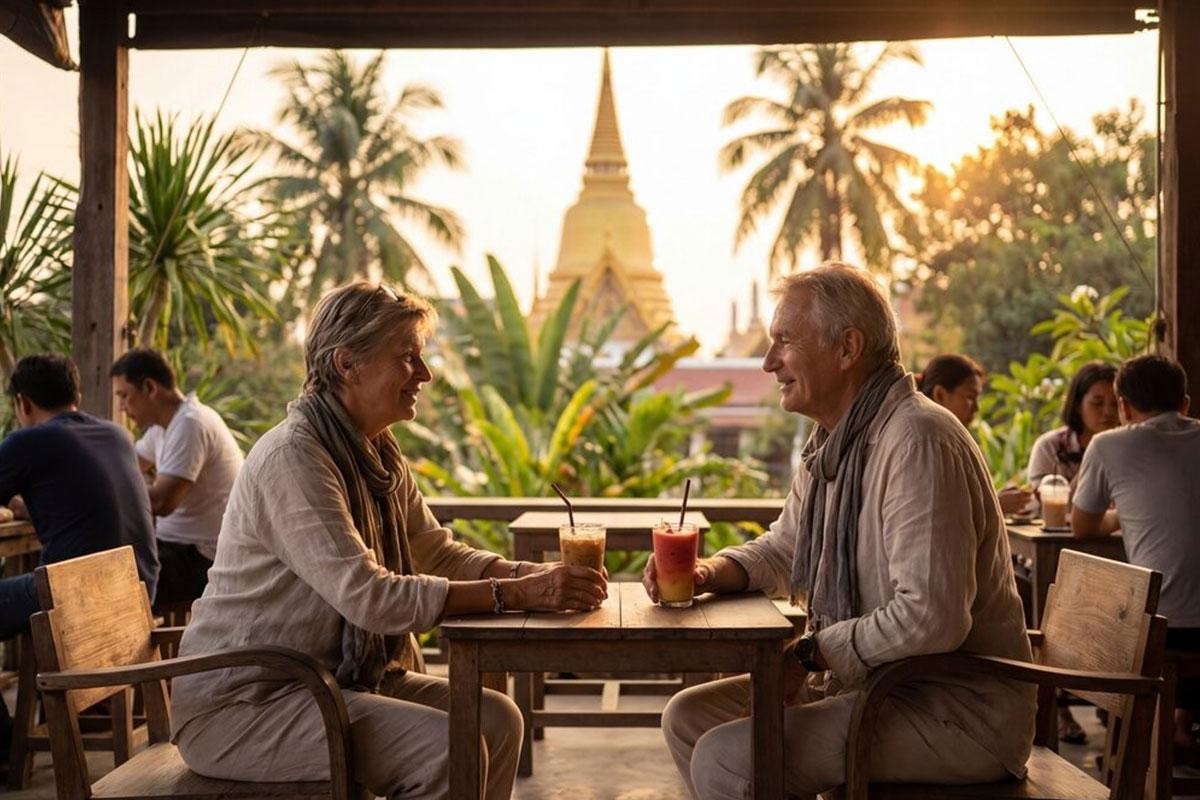
Retiring in Bangkok: City Convenience
Bangkok suits retirees who want specialists close by, a wide public transport network, and direct airport connectivity.
Best areas: Sukhumvit, the Chao Phraya riverside and Sathorn.
Sukhumvit
- Known for: Bangkok's longest-standing foreign community, with Bumrungrad on Soi 3 and Samitivej on Soi 49 close to most addresses along the line.
- Best for: Retirees managing an ongoing condition who want specialists nearby, and anyone who would rather stop driving. Explore the surrounding soi across different hours of the day before deciding to buy a condo in Bangkok's Sukhumvit area.
- Drawbacks: Uneven pavements and constant traffic make walking harder than the map suggests, and there is little green space for a daily circuit.
The Chao Phraya Riverside
- Known for: Quiet heritage streets and hotel-branded residences, with a river ferry that avoids Bangkok traffic entirely.
- Best for: Retirees splitting the year between countries. A condo in Bangkok usually includes concierge and hotel-style management, so the home is watched while you are away.
- Drawbacks: Direct mass-transit connections are less dense than in central Sukhumvit, and major medical centres sit slightly further inland; an important consideration when planning routine health checks.
Sathorn
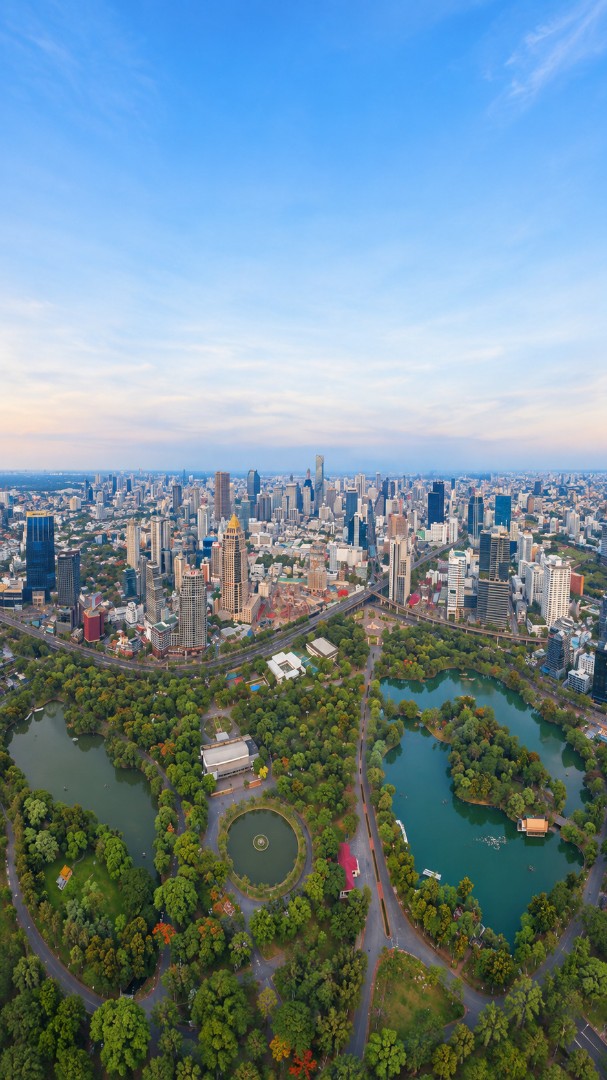
- Known for: Embassies and established residential addresses beside Lumpini Park, the most usable green space in central Bangkok for a morning walk.
- Best for: Retirees who want a calm daily routine within reach of the centre, with BTS Sala Daeng and Chong Nonsi close by. Ask how service charges have moved before choosing a luxury condo for sale in Sathorn.
- Drawbacks: Heavy peak-hour congestion, and evenings are quiet if you want an active social scene on your doorstep.
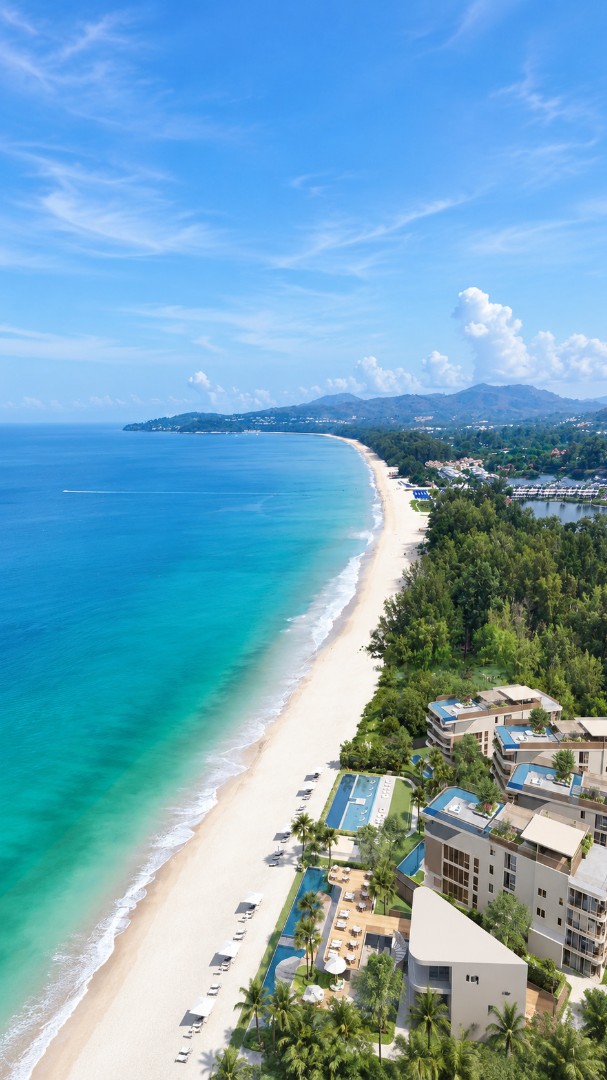
Retiring in Phuket: Coastal Living
Phuket was named among Forbes' Best Places to Retire Abroad for 2025 on an unranked shortlist, with private healthcare at Bangkok Hospital Phuket.
It is important to remember that the island's atmosphere shifts considerably between the high and low seasons. Before deciding, schedule a visit during both seasons for a clearer picture of what retirement life can be.
Best areas: Bang Tao and Cherng Talay, Surin and Kamala, Rawai and Nai Harn.
Bang Tao and Cherng Talay
- Known for: The island's most developed corridor, anchored by Laguna, Boat Avenue and Porto de Phuket, with clinics, pharmacies and supermarkets a short drive away.
- Best for: Retirees who want amenities within walking distance and room for visiting family. Drawbacks: Premium entry pricing and high season brings crowds to resorts on the island.
Surin and Kamala
- Known for: A quieter west coast stretch of low-rise residential developments between Bang Tao and Patong.
- Best for: Retired couples who want a calm, beach-centred routine rather than a busy social calendar.
- Drawbacks: Few services within walking distance, so daily errands need a car or a driver.
Rawai and Nai Harn
- Known for: A settled international community in the south, with markets, cafes and level walking around Nai Harn Lake.
- Best for: Retirees who value community and an outdoor daily routine.
- Drawbacks: The longest drive to the airport and to Phuket Town's hospitals. Rawai's own beachfront is also unsuitable for swimming.
Other Places to Retire in Thailand
Bangkok and Phuket are not the only locations suitable for retirement in Thailand. The following areas are also great options if you are planning to retire here:
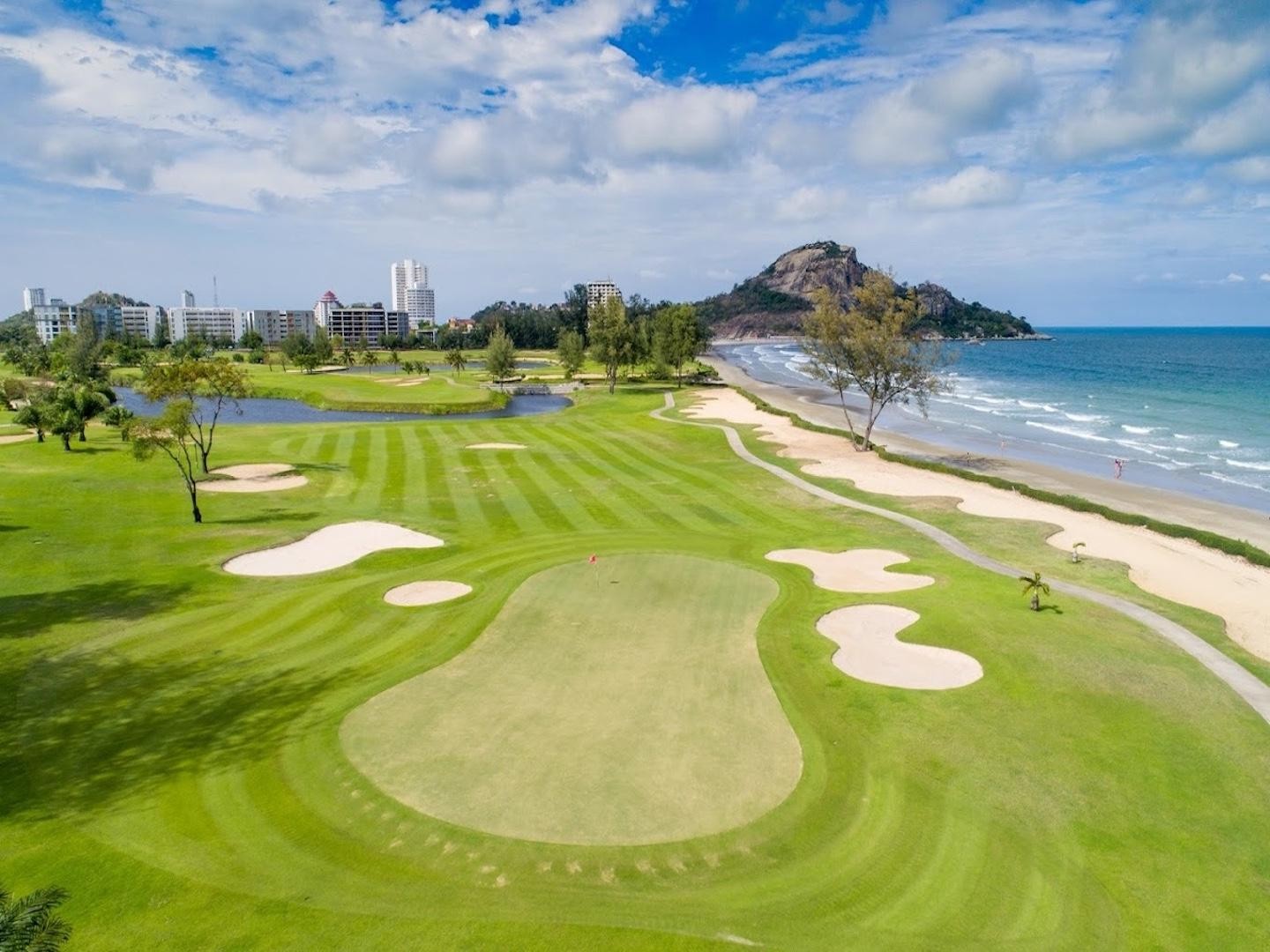
- Hua Hin: A coastal town a few hours south of Bangkok, with golf courses, established private healthcare and a long-settled expatriate community. Property is comparatively good value. The road to Bangkok's specialist hospitals stays open, which suits retirees who want seaside living without sacrificing convenience.
- Chiang Mai: Northern Thailand's cultural capital offers spacious private estates, internationally accredited medical centres, and a cooler mountain climate, ideal for retirees seeking peace and generous living spaces.
- Koh Samui: Beaches and a gentler pace than Phuket, with direct flights and better infrastructure than Thailand's smaller islands. Healthcare is the limitation. Serious cases get referred to Bangkok or Phuket, which makes the island a better fit for retirees in good health.
Condo or Villa: Which is Better for Retirement?
- Choose a condominium if you travel often: Foreigners hold freehold title directly within the building's 49% quota. Lift access, on-site security and someone managing the shared areas all count for more with age, and there are no grounds to look after while you are away.
- Choose a villa if you will be a resident most of the year: Foreigners cannot own land, so budget for a registered lease alongside pool, garden and security upkeep. Many hillside estates span multiple levels; selecting a residence with elevator provision or a ground-floor primary suite ensures effortless long-term accessibility.
Note: Owning a home in Thailand grants no visa and no residency rights, so settle your long-stay route before you buy. For retirees who prefer a convenient relocation, Richmont's also provides relocation support that includes visa consultations.
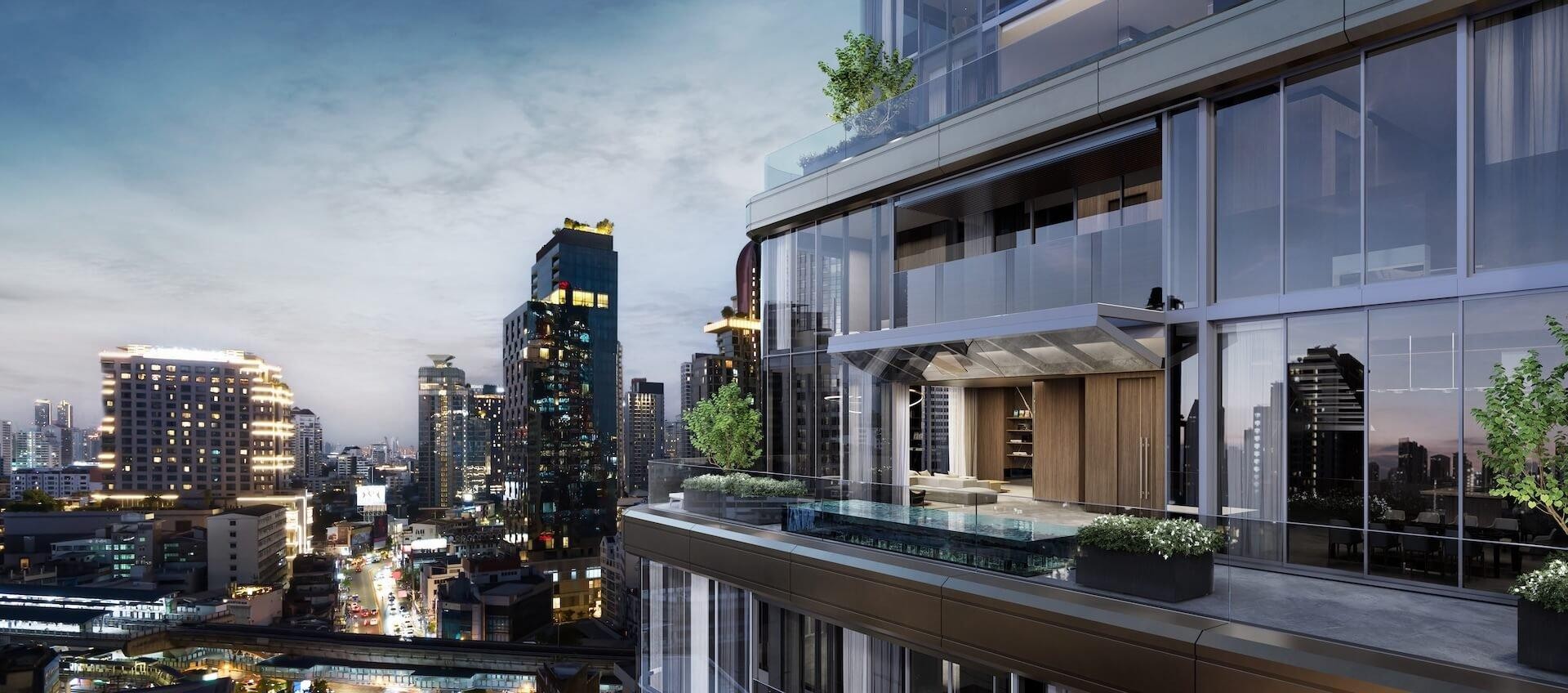
Find the Right Area for Your Retirement
For those still deciding where to live out their retirement, Thailand offers plenty of options for every lifestyle. Bangkok delivers healthcare and connectivity. Phuket delivers space and sea. Hua Hin, Chiang Mai and Koh Samui each sit somewhere between the two.
Visit Richmont's for the latest luxury property listings. Explore a riverfront condo in Bangkok where the Chao Phraya River becomes one of your ways into the city; a luxury condo for sale in Sathorn with Lumpini Park a short walk away for a morning circuit; or a luxury villa for sale in Phuket with a garden, a private pool and room for visiting family. Whatever your preference, there is an ideal retirement property for you at Richmont’s.
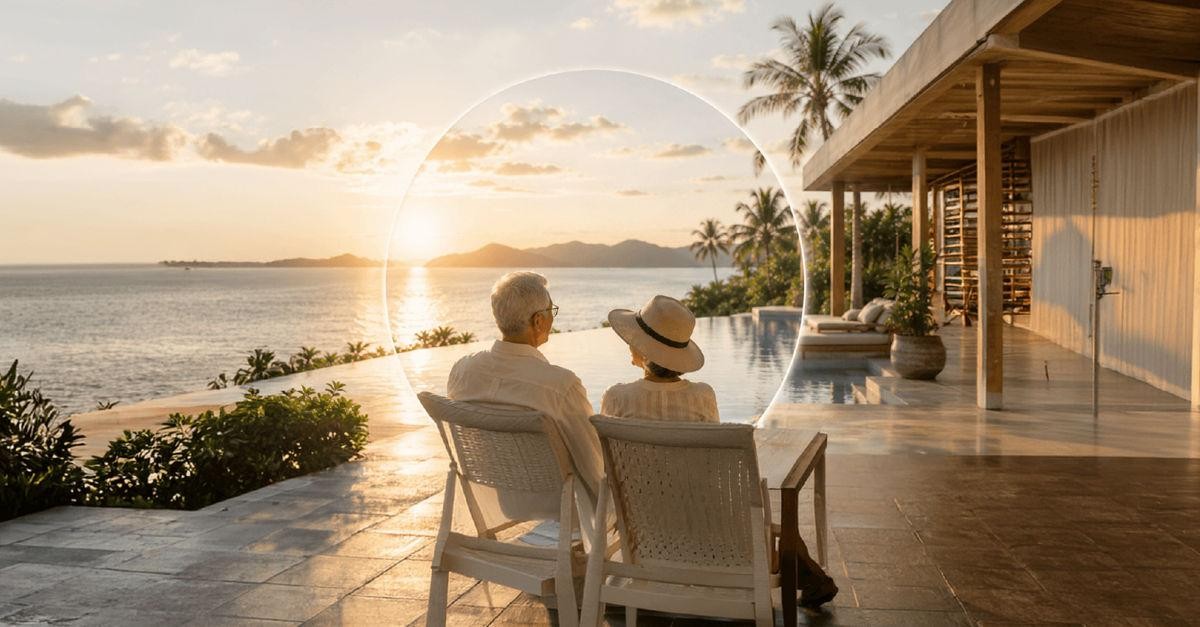
Partner with Richmont’s for Premier Luxury Residences
With exclusive expertise in luxury residential real estate over THB 30 million, we’ve secured numerous top property sales records in Thailand. We act as the primary sales representatives for residential developments throughout Bangkok and Thailand, partnering with the nation’s top luxury builders.
Our support for overseas buyers extends well beyond the initial sale. We recognise that relocating for retirement entails more than selecting a home. This means our relocation assistance attends to the little things that make the process easier. Specifically, this covers:
- Long-stay and retirement visa consultation
- Temporary serviced accommodation
- Packing and shipping
- Car, limousine and driver hire
- Domestic helpers and nannies
- Property rental and management
Should you require anything not found on the provided list, please do not hesitate to enquire. We’re glad to assist in any way possible. Contact us for a personalised consultation, or subscribe to Richmont’s newsletter for prime listings and market intelligence.
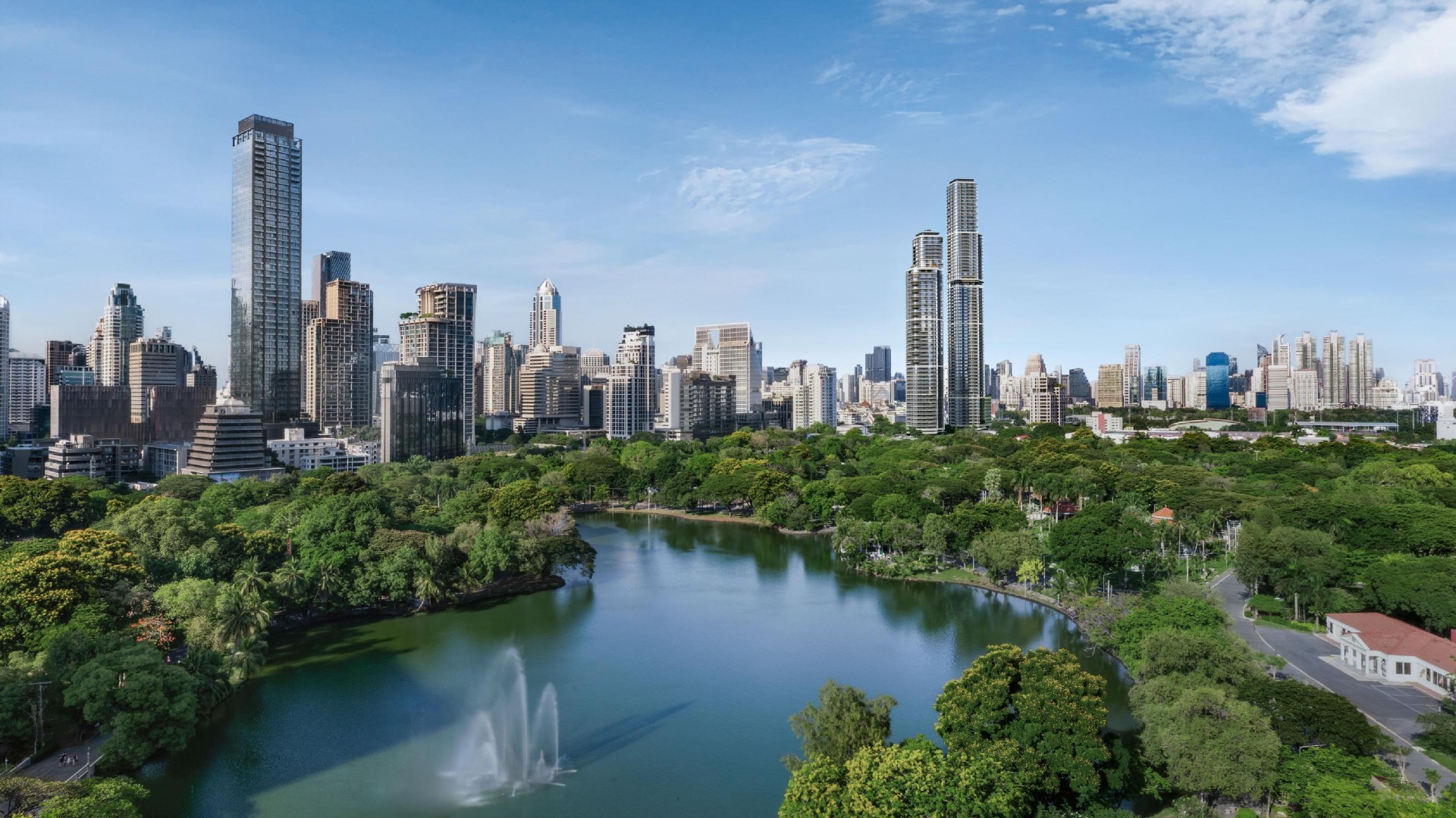
Frequently Asked Questions About Retiring in Thailand (FAQs)
Q: What is the best area in Thailand to retire as a foreigner?
A: There is no single answer, because the right area depends on priorities. Bangkok offers the deepest healthcare network, metro connectivity and direct long-haul flights, with Sukhumvit, Sathorn and the riverside drawing most foreign residents. Phuket offers beaches, outdoor space and a slower pace. Hua Hin sits between the two, coastal but close to Bangkok.
Q: Is Bangkok a good choice for retirement in Thailand?
A: Bangkok suits retirees who value convenience and medical access. The city holds Thailand's deepest concentration of private hospitals and specialists, two airports with direct long-haul routes, and BTS and MRT lines that remove the need to drive. The trade-off is pace and density, which does not suit everyone.
Q: Is Phuket a good place for retiring in Thailand?
A: Phuket was named among Forbes' Best Places to Retire Abroad for 2025. It combines beaches, outdoor living, international flights and private healthcare at Bangkok Hospital Phuket. It suits retirees who want a coastal lifestyle and are broadly healthy, since complex medical cases are often referred to Bangkok.
Q: Can foreigners buy property when retiring in Thailand?
A: Foreigners can own a condominium unit freehold in their own name, provided the building stays within its 49% foreign-ownership quota. Land cannot be owned outright, so villas are usually held on a registered long-term lease. Have your own lawyer review any lease structure before you commit.
Q: Does buying property in Thailand grant residency?
A: No. Property ownership and immigration are separate processes in Thailand, and buying a home confers no visa or residency rights. Settle your long-stay visa route before committing to a purchase.
Q: Should retirees choose a condominium or a villa?
A: A condominium suits retirees who travel often, want freehold title in their own name and would rather not manage a household. A villa suits those who will be resident most of the year and want private outdoor space, provided they are comfortable with a registered lease and the ongoing cost of pool, garden and security upkeep.
Q: What are the best places to retire in Thailand beyond Bangkok and Phuket?
A: Hua Hin offers a coastal lifestyle within a few hours of Bangkok, with golf, an established expatriate community and good-value property. Chiang Mai appeals to those wanting a cooler climate and lower costs, though seasonal air quality is worth checking. Koh Samui offers beaches and a gentler pace, with more limited healthcare than the mainland.
SEND INQUIRY
You have requested more infomation about this property
or Call Richmont's between 9am and 6pm, 7 days a week, on: +66 (0)62 496 6454
Or contact us via WhatsApp or LINE