Forecasting Thailand’s Property Market Post-Quake

The recent earthquake in Thailand has understandably raised questions and concerns among homeowners, investors, and developers alike. While seismic activity in Thailand is relatively low compared to neighboring countries, events like this remind us of the importance of structural safety, long-term planning, and market resilience.
So, how will the Thai real estate market respond in the aftermath? Here's what we can expect moving forward.
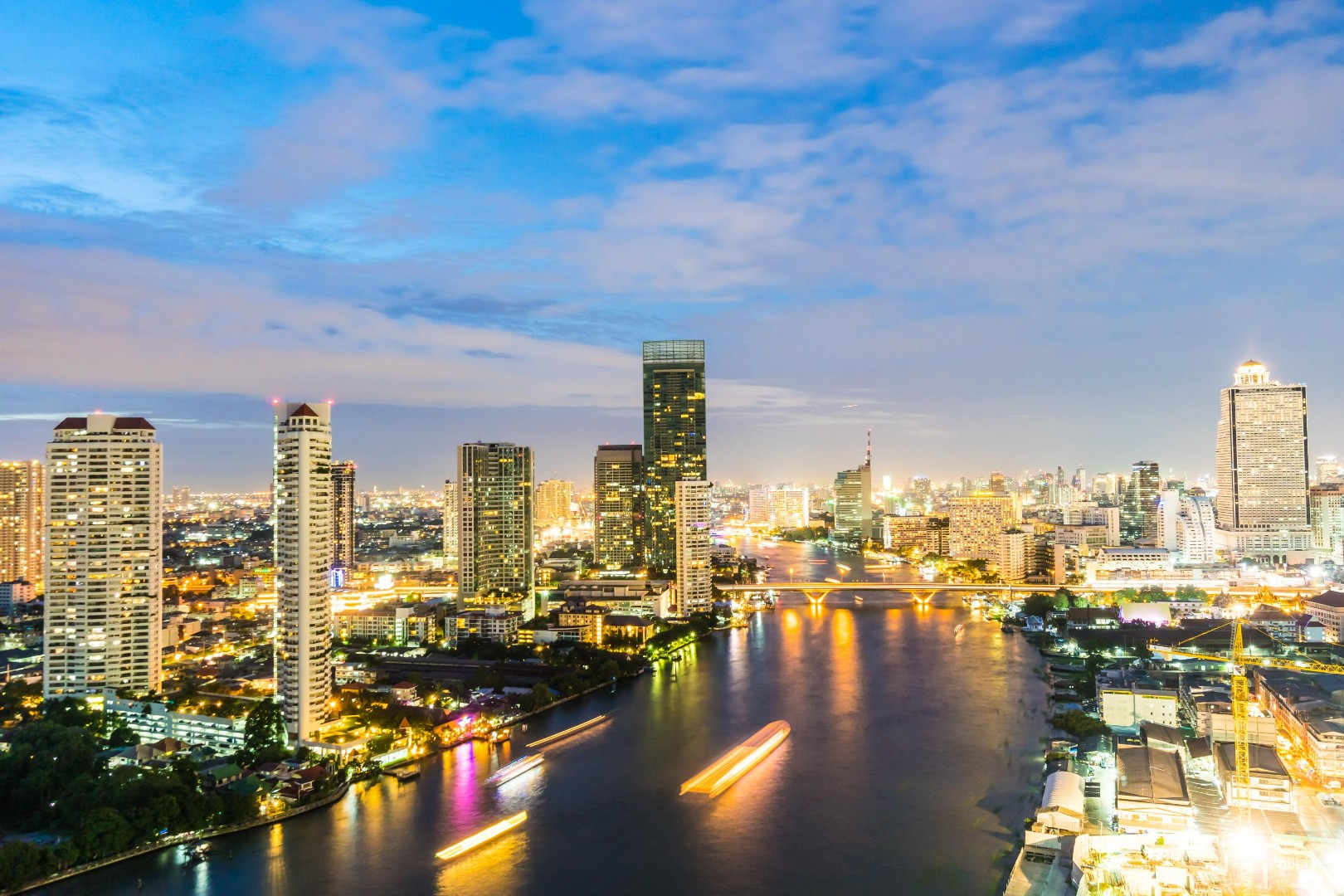
Renewed Focus on Building Safety Standards
Thailand already has regulations in place for seismic-resistant design, such as the Ministerial Regulation of 2007 and engineering standards 1301/1302, which govern how buildings should be constructed in areas with seismic risks. In light of the recent earthquake, both developers and buyers are placing greater emphasis on compliance, transparency, and quality assurance.
This shift could benefit buyers, as reputable developers who follow international safety standards will likely gain more trust and visibility in the market.

Buyer Behavior: A Shift Toward Quality and Confidence
For homebuyers and investors, the key takeaway from the event is not fear—but awareness. We anticipate a growing demand for low-rise condominiums, well-engineered high-rises, and properties built by top-tier contractors. Properties that highlight their structural integrity and seismic safety will become increasingly attractive.
Buyers may also prioritize buildings that clearly disclose their construction history, foundation systems, and compliance certifications.

Investment Sentiment: Cautious but Steady
While there may be a short-term slowdown in activity as the market absorbs the impact of the earthquake, Thailand's real estate sector has proven to be remarkably resilient. In recent years, it has weathered global economic shifts, pandemic disruptions, and political changes.
The fundamentals—urbanization, tourism recovery, infrastructure growth, and foreign interest—remain strong. As a result, long-term investors are likely to stay the course, with an added focus on risk management and project due diligence.
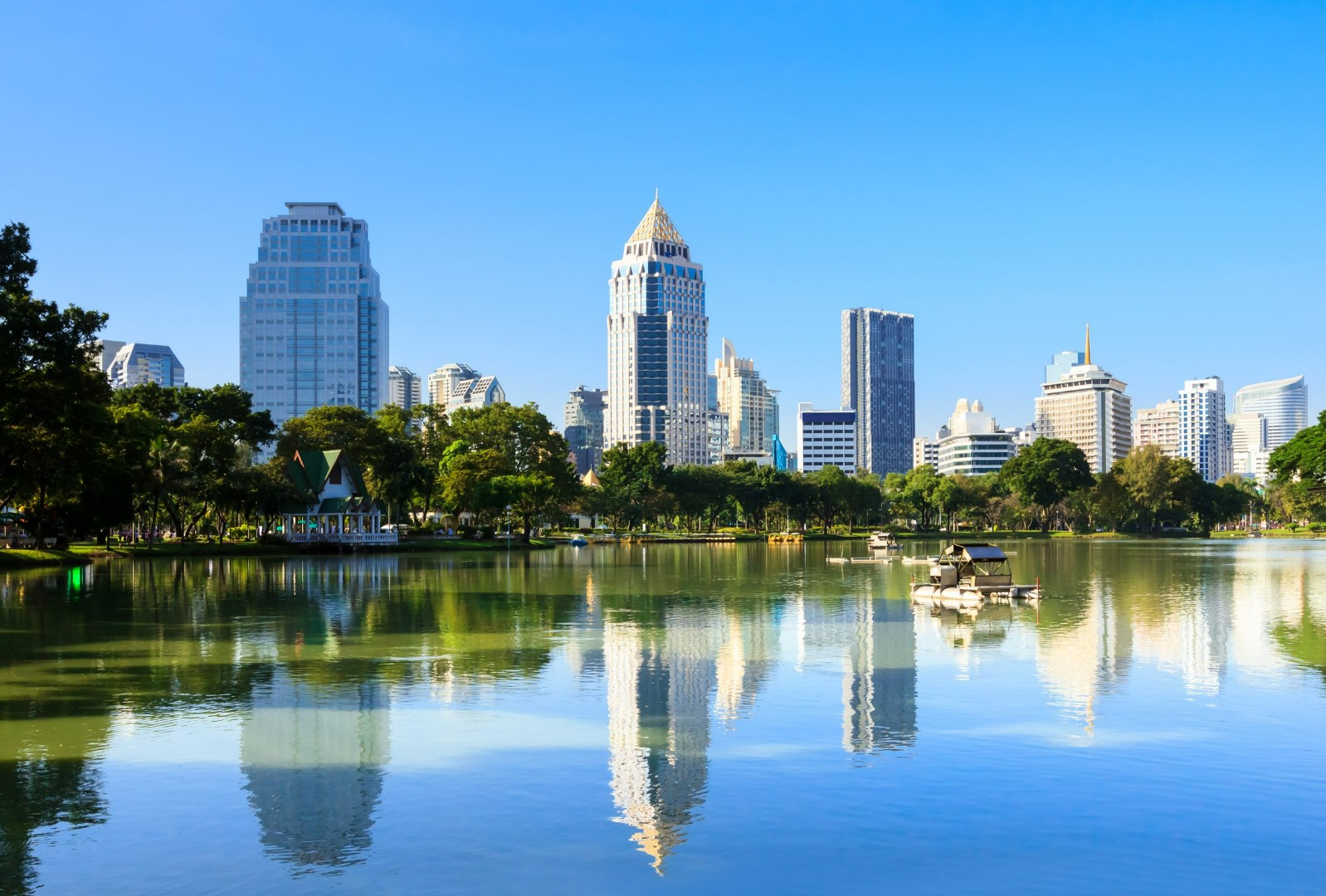
Opportunities for Developers to Lead with Transparency
For developers, this is an opportunity to lead by example—highlighting the strength of their construction partners, showcasing compliance with seismic standards, and educating buyers on safety measures already in place. Transparency will be key in building lasting confidence.

The Market Outlook: Resilient and Adaptive
Despite the tremors, Thailand's property market stands on solid ground. Demand for well-located, well-built residences—particularly in Bangkok, Phuket, and Chiang Mai—is expected to remain stable. With more emphasis on safety, quality, and preparedness, the industry is poised to emerge stronger, more transparent, and better aligned with international standards.
While the earthquake may have shaken the ground, it also strengthens the foundation of awareness, responsibility, and innovation within Thailand's real estate sector. The future of the market will be shaped not by fear, but by resilience, confidence, and a renewed commitment to quality.
SEND INQUIRY
You have requested more infomation about this property
or Call Richmont's between 9am and 6pm, 7 days a week, on: +66 (0)62 496 6454
Or contact us via WhatsApp or LINE