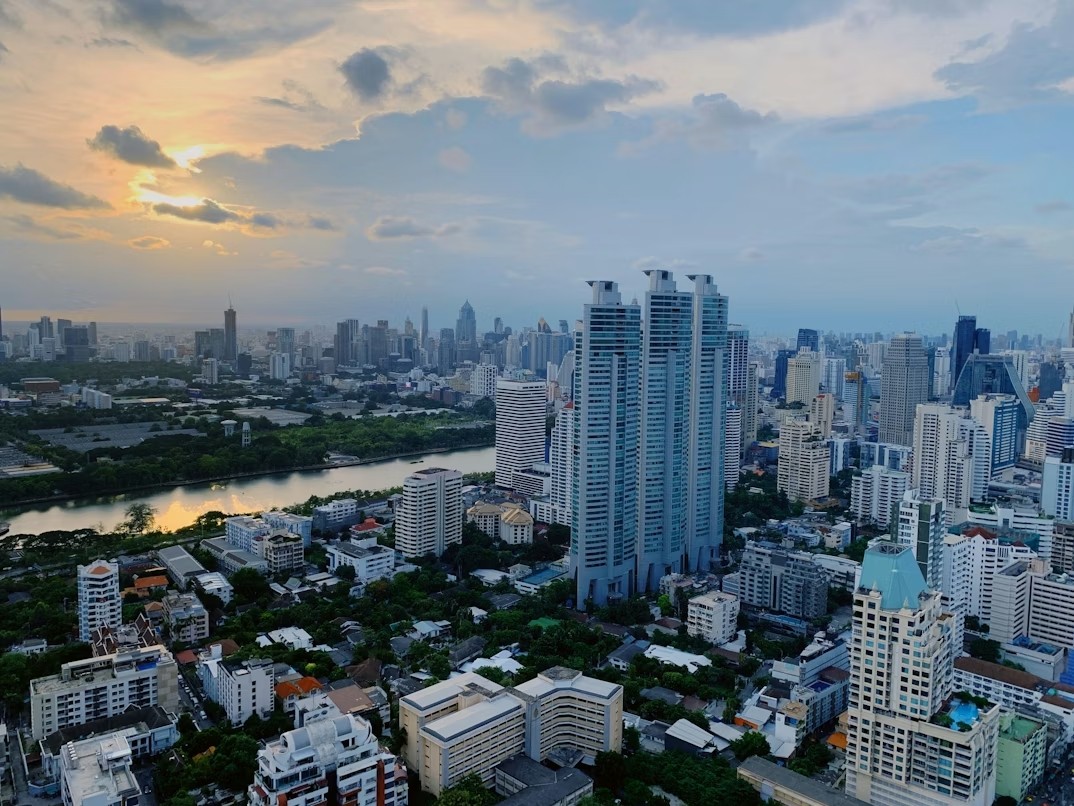
Q: Is London a good place for Thai students to study?
Yes. London offers globally recognised universities, a multicultural environment and extensive transport connections, making it an attractive destination for Thai and international students.

• The UK is a leading destination for international education, with globally recognised schools and universities.
• London is home to prestigious institutions including Imperial College London, UCL, King's College London and LSE.
• Students can enter the British education system at different stages, from secondary school to university.
• International students in London should plan for annual tuition and living costs of approximately £38,000–£79,000 or more, depending on their course and lifestyle.
• For families planning several years in London, buying a property may offer long-term benefits, including potential rental income after graduation.
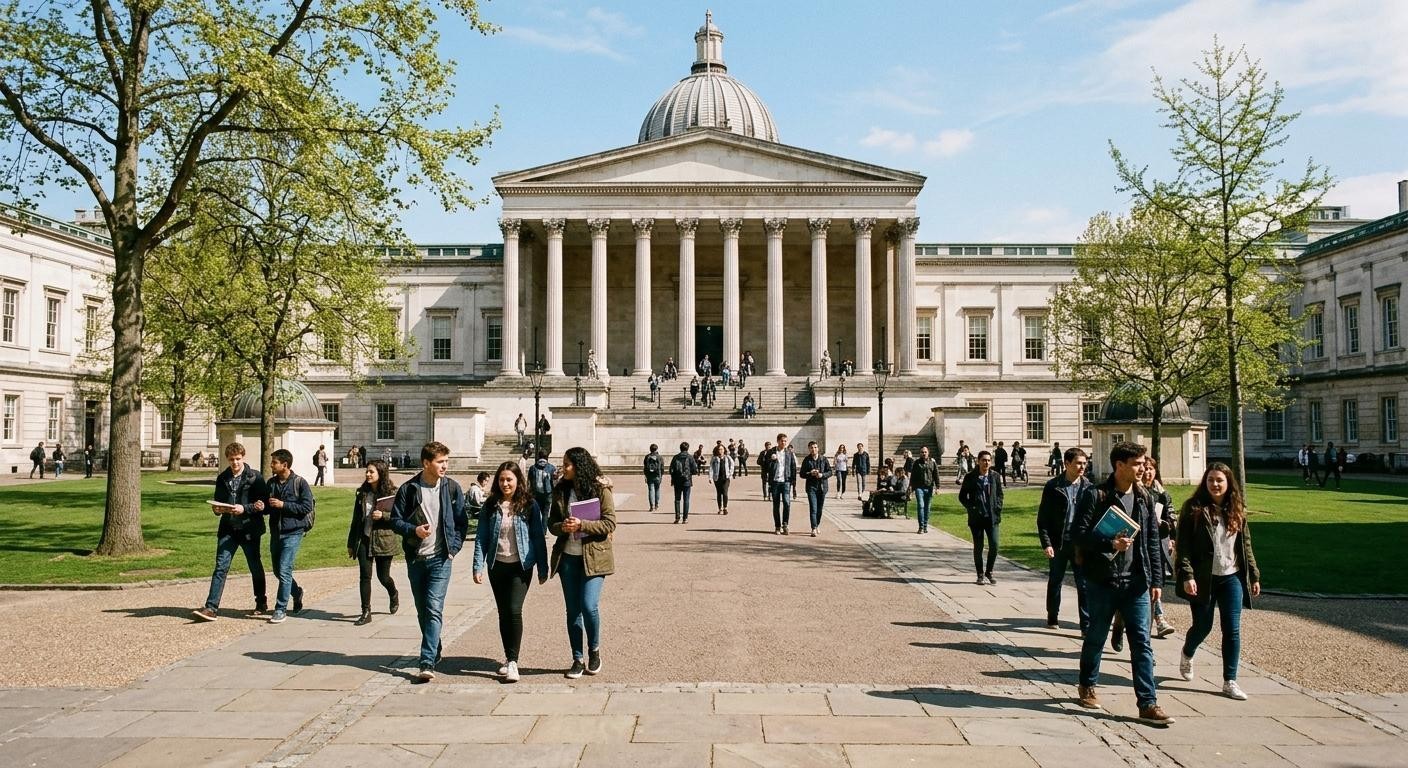
For many Thai and international families, studying in the UK is an opportunity to gain a world-class education, develop independence and experience life in a multicultural environment.
London stands out for its leading universities, international business connections and extensive transport network. However, choosing the right institution, managing expenses and finding suitable accommodation are essential parts of planning an overseas education.

The UK has long been recognised for its academic standards, established education system and internationally respected qualifications. Students can follow pathways such as GCSEs, A-Levels and the International Baccalaureate (IB) before progressing to university.
For Thai families, studying in an English-speaking environment also helps students develop language skills, confidence and independence. Most undergraduate degrees in England take three years to complete, potentially reducing the overall duration of study.
London offers additional advantages as a global centre for finance, technology, law and creative industries, providing students with opportunities to build professional networks alongside their education.

There is no single ideal age to study abroad. The right time depends on academic goals, English proficiency and readiness to live independently.
|
Age |
Education Stage |
Key Benefits |
|
11–13 |
Secondary School |
Early exposure to British education |
|
14–16 |
GCSE |
Academic preparation for Sixth Form |
|
16–18 |
A-Levels or IB |
Preparation for university admission |
|
18+ |
Undergraduate Degree |
University education and independent living |
|
Postgraduate |
Master's Degree |
Specialist knowledge and career development |
Families should ideally begin planning 12–18 months before enrolment, particularly for competitive schools and universities.
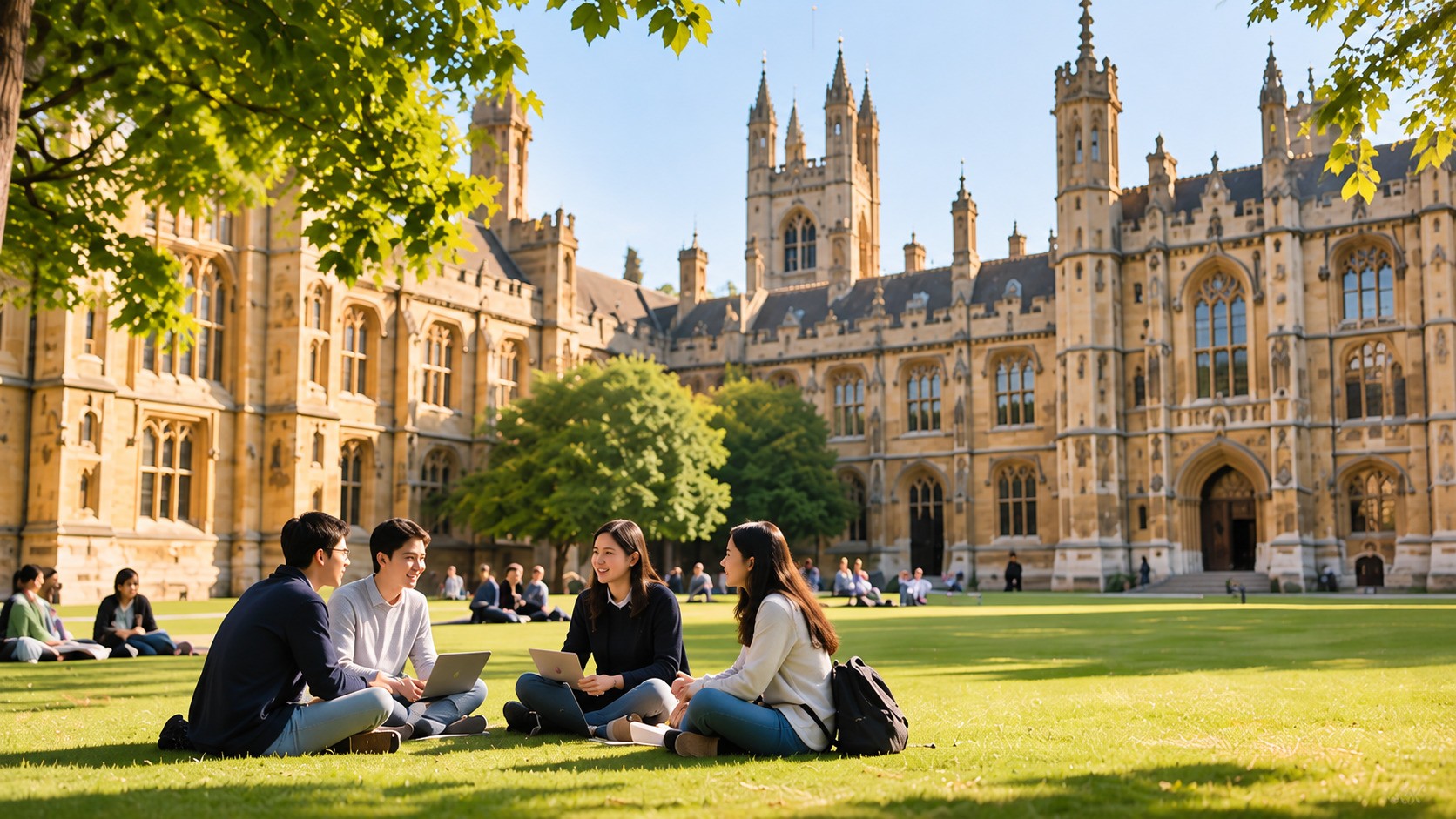
London is home to several internationally recognised universities, each offering different academic strengths and campus environments. Below is a selection of London's leading universities and their key areas of study.
• Imperial College London (South Kensington, SW7): Science, engineering, medicine and technology.
• University College London – UCL (Bloomsbury, WC1): Architecture, engineering, law and medicine.
• King’s College London (Strand, WC2 and other campuses): Law, medicine, humanities and social sciences.
• London School of Economics – LSE (Holborn, WC2): Economics, finance, politics and law.
For younger students, London also offers a range of established independent schools, including Westminster School, St Paul's School and City of London School.
When selecting an institution, families should consider academic suitability, admission requirements, student support and accessibility rather than university rankings alone.

Studying in London requires careful financial planning, with expenses varying by university, course and accommodation.
According to UCAS, international undergraduate tuition fees across the UK commonly range from approximately £11,400 to £38,000 per year. Some leading London universities and specialist programmes charge more.
Estimated Annual Expenses for International University Students
|
Expense |
Estimated Annual Cost |
|
University Tuition Fees |
£20,000–£45,000+ |
|
Accommodation |
£12,000–£24,000+ |
|
Food, Transport & Personal Expenses |
£6,000–£10,000 |
|
Total Estimated Budget |
£38,000–£79,000+ |
At an illustrative exchange rate of £1 = THB 44, this represents approximately THB 1.67–3.48 million per year.
These are indicative planning estimates. Actual costs vary and exclude flights, visa fees, the Immigration Health Surcharge and other initial expenses. Private and boarding schools may require significantly higher budgets.

Preparing early can help families manage the academic, financial and practical requirements of overseas education.
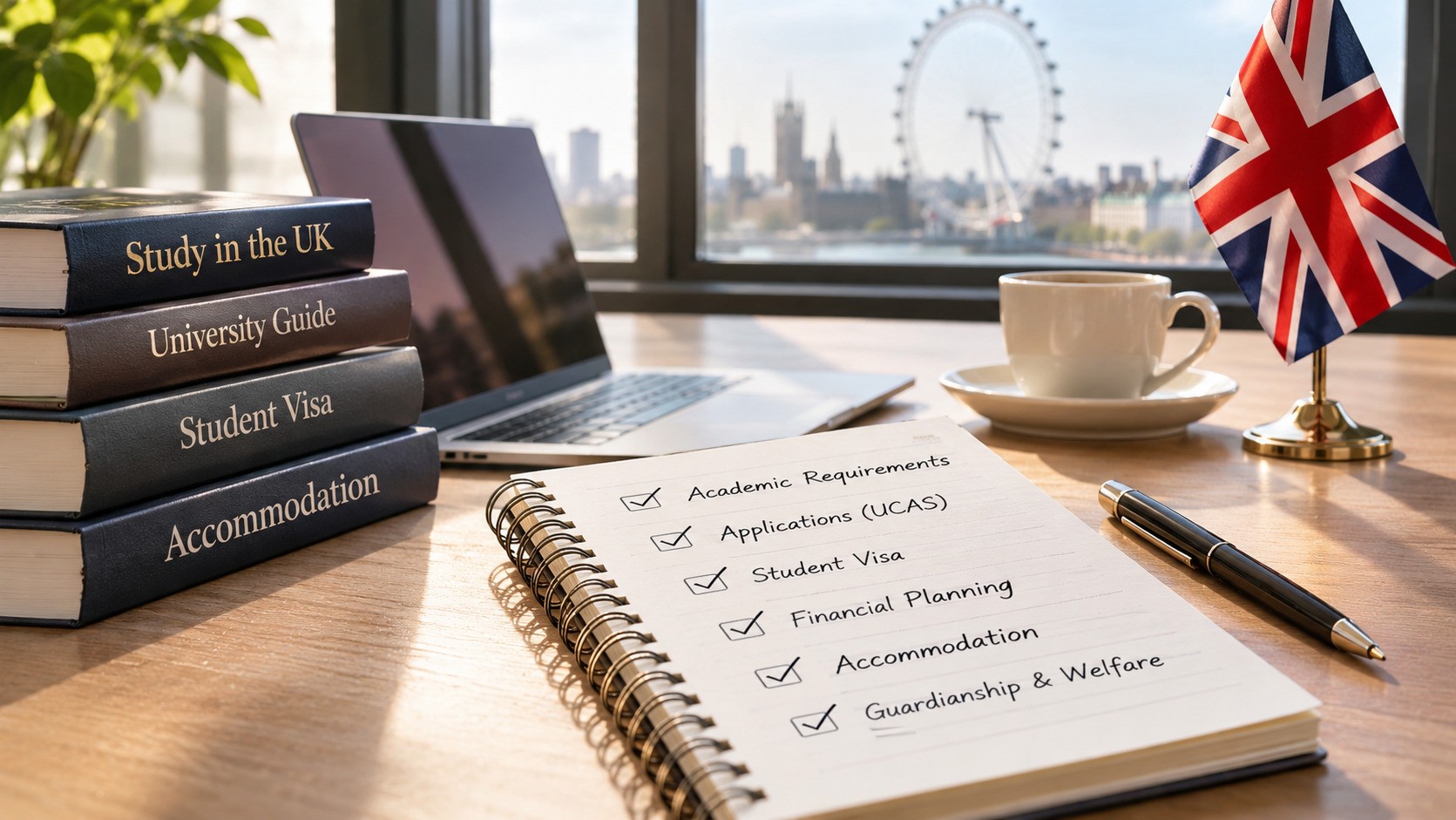
• Academic Requirements: Review entry criteria, examinations and English-language qualifications.
• Applications: Apply through UCAS for most undergraduate courses or directly to independent schools.
• Student Visa: Check the relevant visa requirements and financial evidence.
• Financial Planning: Budget for tuition, accommodation, daily expenses and exchange-rate fluctuations.
• Accommodation: Explore student residences, private rentals or family-owned properties near the institution.
Families should also consider guardianship and welfare arrangements for younger students, as a Student Visa does not automatically permit parents to reside in the UK.
Location plays an important role in the student experience. Living near public transport, universities and everyday amenities can make daily life more convenient.
Several central London neighbourhoods are worth considering:
• Bloomsbury: Close to UCL, libraries and academic institutions.
• South Kensington: Convenient for Imperial College London, museums and residential amenities.
• King’s Cross: A major transport hub connecting central London and beyond.
• Bankside & South Bank: Riverside living, cultural attractions and access to central London universities.
• Westminster: A central location with excellent transport links and proximity to Royal Parks.
For families planning a longer stay, a private apartment may offer additional space, comfort and flexibility when parents or siblings visit London.
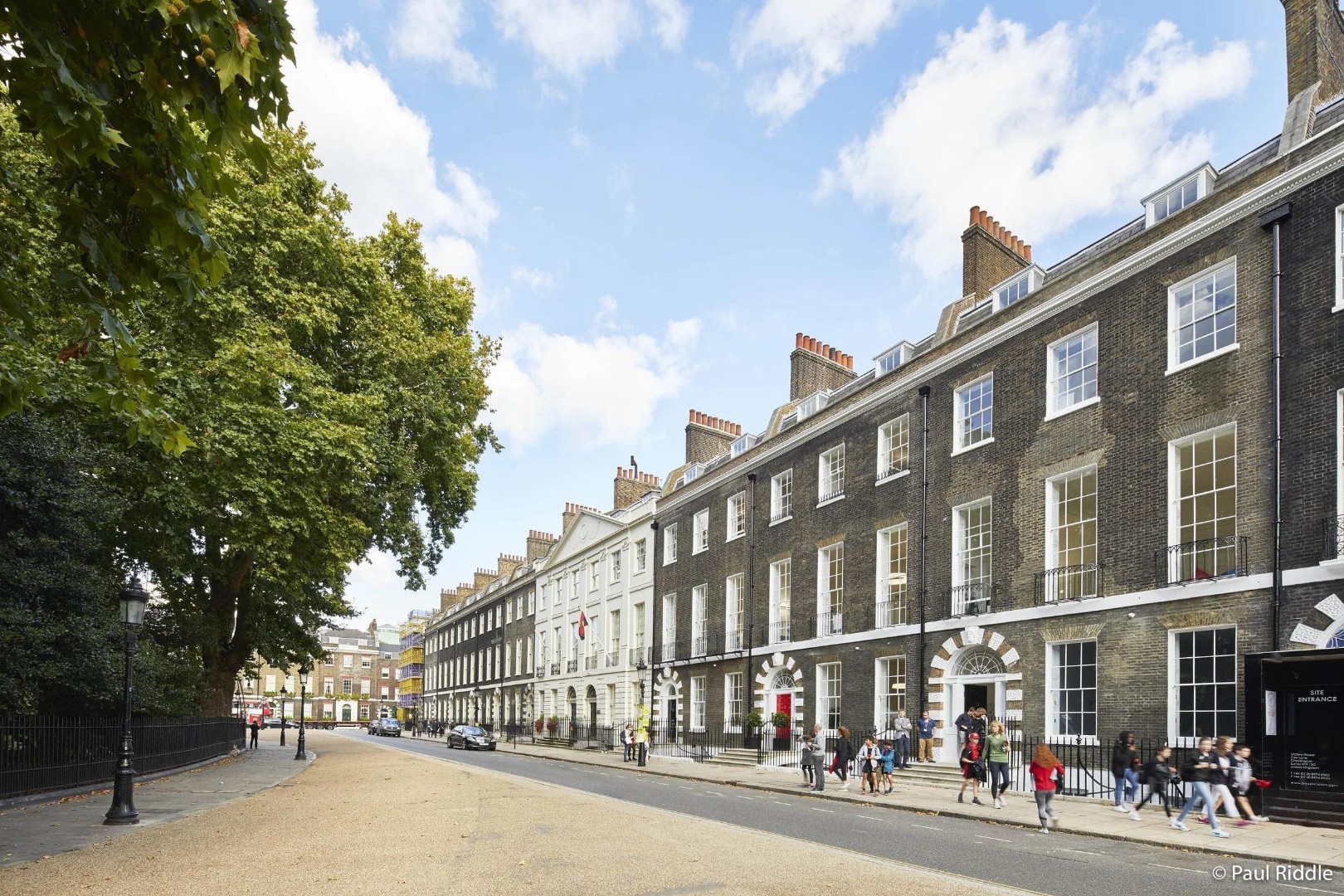
Renting offers flexibility, particularly for students beginning their studies or staying in London for a shorter period.
However, families planning several years of education may consider buying a property, especially if younger siblings are expected to study in the UK or the family intends to retain the residence after graduation.
According to the Office for National Statistics, average private rents in London reached approximately £2,338 per month in September 2026, equivalent to £28,056 annually.
|
Consideration |
Renting |
Buying |
|
Initial Investment |
Lower |
Higher |
|
Flexibility |
Easier to relocate |
Better suited to long-term plans |
|
During Education |
Ongoing rental payments |
Personal use of the property |
|
After Graduation |
End the tenancy |
Retain, rent out or sell |
|
Financial Considerations |
Potential rent increases |
Taxes, maintenance and property market risks |
Overseas buyers should also consider Stamp Duty Land Tax, legal fees, service charges and other ownership expenses before purchasing.

For families considering property ownership, rental income after graduation may provide an additional long-term benefit.
Properties near universities, transport stations and business districts can appeal to students, graduates and working professionals. However, rental yields vary by location, purchase price and ongoing expenses.
For example, a property purchased for £600,000 and rented for £2,500 per month would generate £30,000 annually, representing a 5% gross rental yield before expenses.
Actual returns depend on management fees, service charges, maintenance, taxes and vacancy periods. Families should evaluate both the property's value as a residence during education and its potential as a longer-term investment.
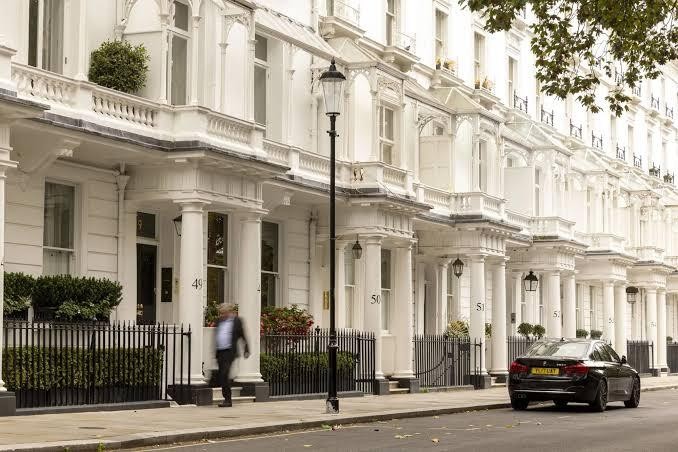
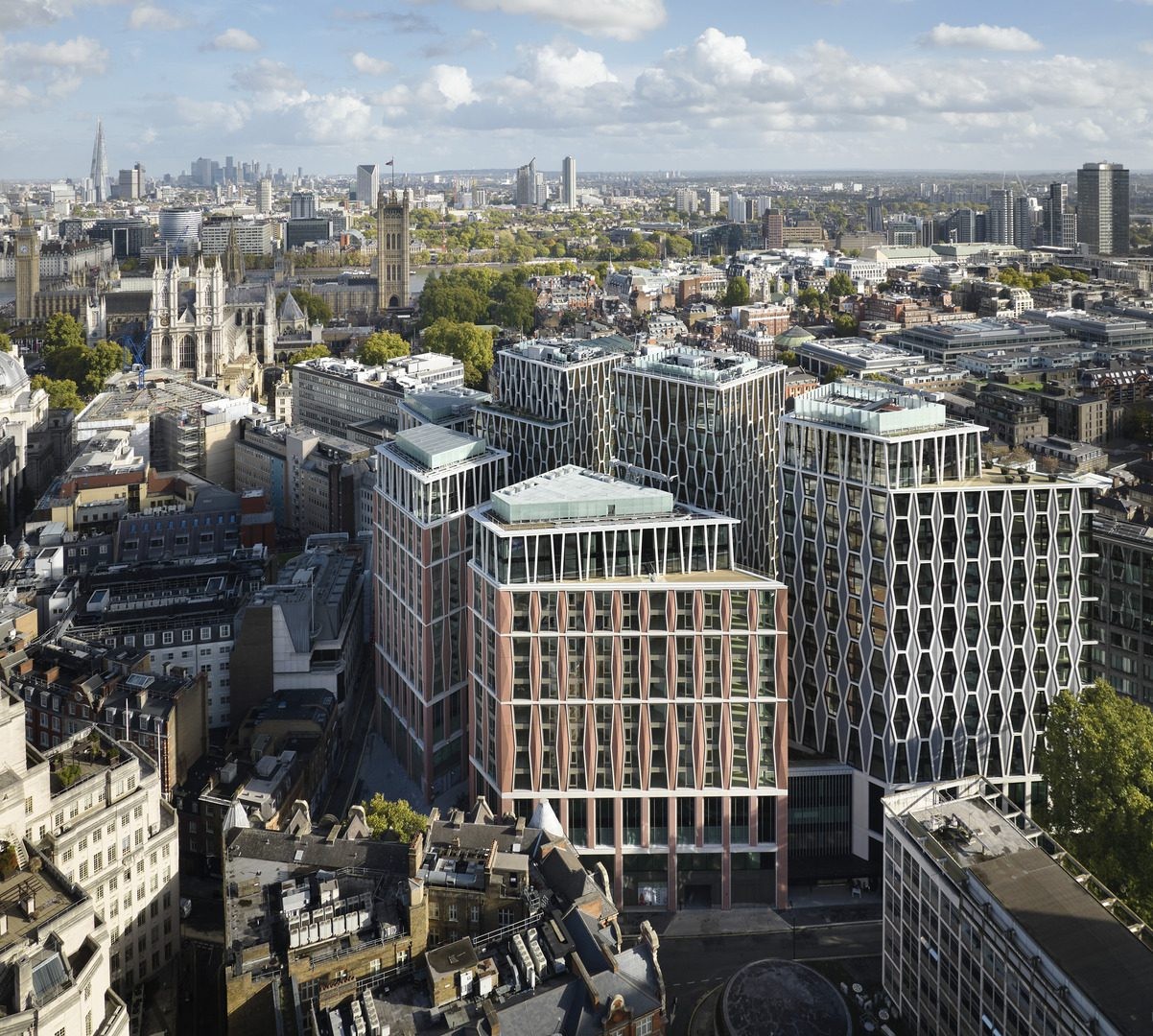
For international families considering property ownership, Richmont's offers a selection of prime London residences in well-connected locations, including Opus – Bankside Yards near Blackfriars Station, SEVEN Southbank Place near Waterloo, The Broadway in Westminster and River Park Tower in Nine Elms. These developments offer convenient access to central London universities, transport links and cultural landmarks, with selected residences enjoying impressive Thames and skyline views.
Whether for a child's education, future family use or potential rental investment, Richmont's can help you find a London residence that suits your lifestyle and long-term plans. Contact our team to explore available properties and arrange a private consultation.
Yes. London offers globally recognised universities, a multicultural environment and extensive transport connections, making it an attractive destination for Thai and international students.
Students can begin at secondary school, GCSE, Sixth Form or university level. The ideal stage depends on academic goals, English proficiency and personal readiness.
International university students should consider an indicative annual budget of £38,000–£79,000 or more, including tuition, accommodation and living expenses.
Bloomsbury, South Kensington, King's Cross, Bankside, South Bank and Westminster are among the areas worth considering, depending on the university and transport connections.
Renting offers flexibility for shorter stays, while buying may suit families planning several years in London or considering long-term property ownership.
Generally, yes, subject to ownership terms and relevant regulations. Rental returns depend on location, market demand, purchase price and ongoing expenses.


You have requested more infomation about this property
or Call Richmont's between 9am and 6pm, 7 days a week, on: +66 (0)62 496 6454
Or contact us via WhatsApp or LINE