Thailand Long Stay Visa Update
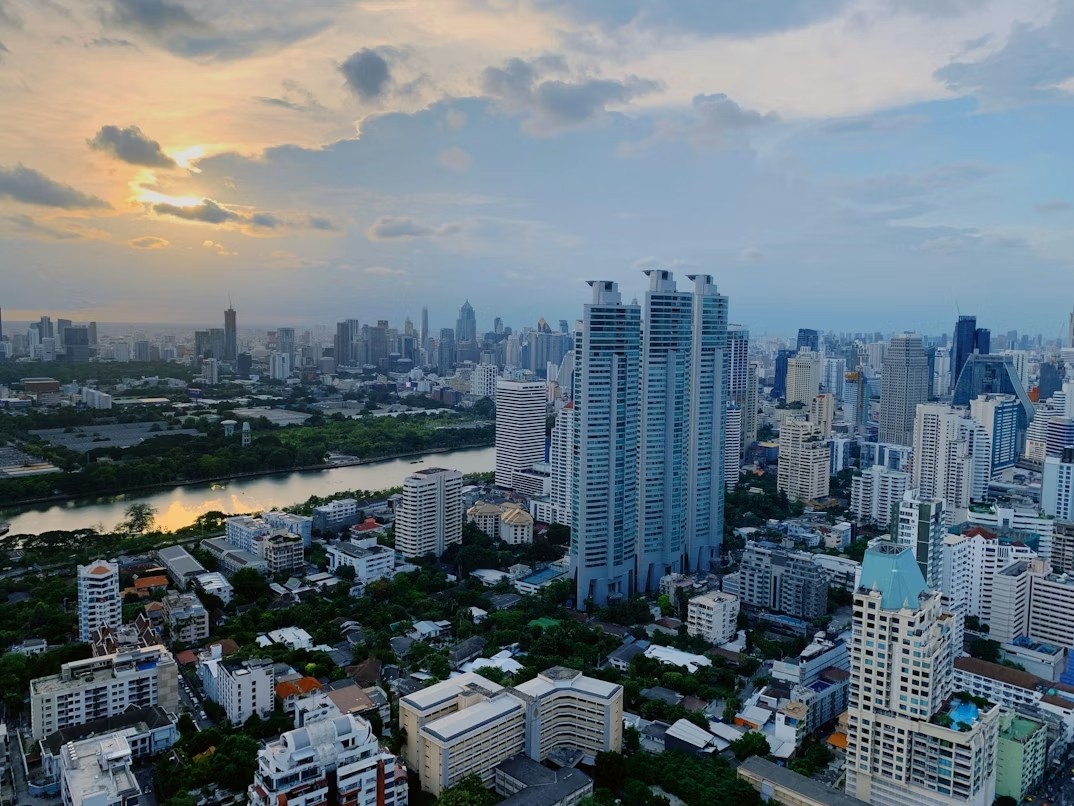
Thailand’s latest long-stay visa provides property investors wishing to stay in Thailand with a structured plan. The key point is clarity: long stay visa applications can be supported by a verifiable residential commitment—through a qualifying real estate purchase, lease, or rental, backed by clear documentation and payment evidence. This new visa provision is relevant for investment & lifestyle buyers, retirees, and overseas residents who want a home base in Thailand.

Option A: Purchase (Condominium) — THB 3,000,000+
A direct route is purchasing a condominium unit valued at THB 3 million or more. This option suits applicants who want long-term stability through ownership and a straightforward residential base.

Option B: Leasehold (House or Condo) — 3+ Years, THB 3,000,000+
A structured alternative is a leasehold arrangement for a house or condominium, where the lease term is more than 3 years and the leasehold value is more than THB 3,000,000. This option is useful for those who want a long-term base without immediate full ownership.
Option C: Rental (House or Condo) — THB 85,000/month+
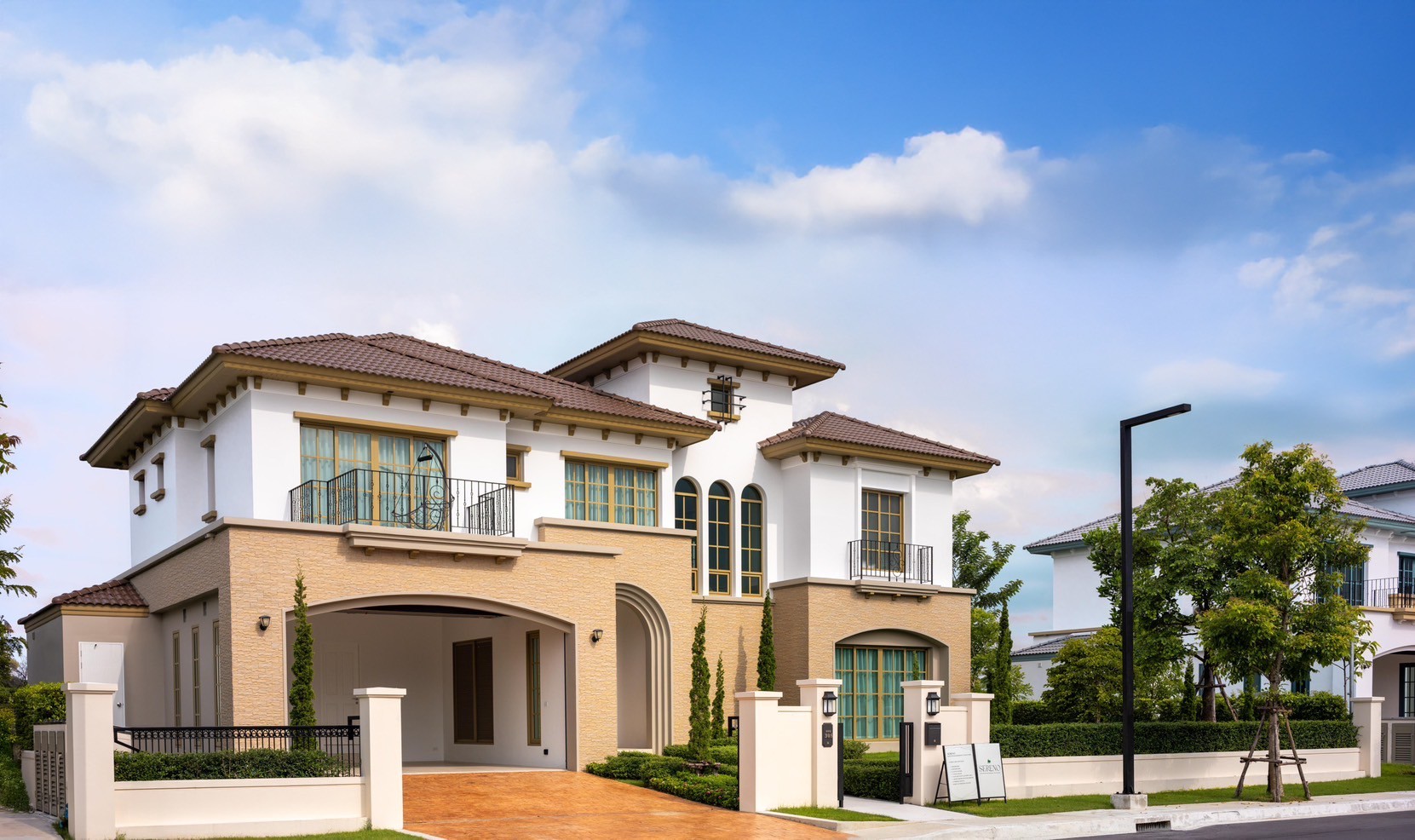
For flexibility, the guideline also recognises a rental-based route, referencing monthly rent from THB 85,000 and proof of prepaid rent for a house or condominium, (commonly evidenced as at least 3 months, with further documentation supporting progression toward longer approval). This option can be ideal for those who want to “try living” in Thailand before purchasing.

Timeline: Start with 90 Days, Then Extend For Longer
Initial approval: typically begins at 90 days
Extension: apply before the initial period ends
Longer stay: successful extension may lead to approximately 12–15 months, depending on case documentation and supporting evidence. Visas may be renewed annually for as long as the applicant retains the qualifying property, in line with the current regulations and subject to immigration approval.
Documents Typically Required
This long stay route is evidence-driven. While exact requirements may vary by case, documentation typically focuses on:
Property & Payment Evidence
- Purchase agreement / lease agreement/rental agreement (as applicable)
- Proof of payment or transfer (and prepaid rent evidence if renting)
- Ownership/registration evidence or relevant property documentation (as applicable)
Personal Documents
- Passport and required immigration forms
- Any supporting information requested during the application/extension stage

Family Criteria (Who Can Be Included)
For applicants planning long-term living in Thailand, the guideline also sets clear criteria for eligible family members:
Spouse: must be recognised as both de jure (legal) and de facto
Children: biological, adopted, or step-children; must be unmarried, living in the household, and under 20 years old
Parents: the applicant’s father or mother, aged 50 years or older

Building a Real Home Base in Thailand
Ultimately, this isn’t only about a visa. It’s about a clearer route that supports everyday life, long-term planning, and even family relocation. For many buyers, lessees and tenants, Thailand’s new Long Stay visa through a verifiable residential commitment opens a new door to establishing a home base in Thailand.
SEND INQUIRY
You have requested more infomation about this property
or Call Richmont's between 9am and 6pm, 7 days a week, on: +66 (0)62 496 6454
Or contact us via WhatsApp or LINE