Long-Term Visa Options in Thailand for Property Buyers

Key Takeaways:
- Owning property in Thailand does not grant a visa; residency and ownership are governed by separate laws.
- The LTR visa offers up to 10 years of stay for qualifying buyers, with Thai property counting toward the investment threshold for wealthy global citizens.
- Retirement visas, Thailand Privilege memberships, and the newer 3 Million Baht Property Visa each suit different buyer profiles and budgets.
- The right visa route often shapes which property type and location make the most practical sense.
- Richmont's advises overseas buyers on matching property choices to their residency plans across Bangkok, Phuket, and beyond.

Before purchasing property, it’s crucial to understand long-term visa options in Thailand. The visa path chosen by a buyer can impact the best property type, location, and budget. The following outlines the primary visa pathways, their link to property ownership, and essential buyer preparations.
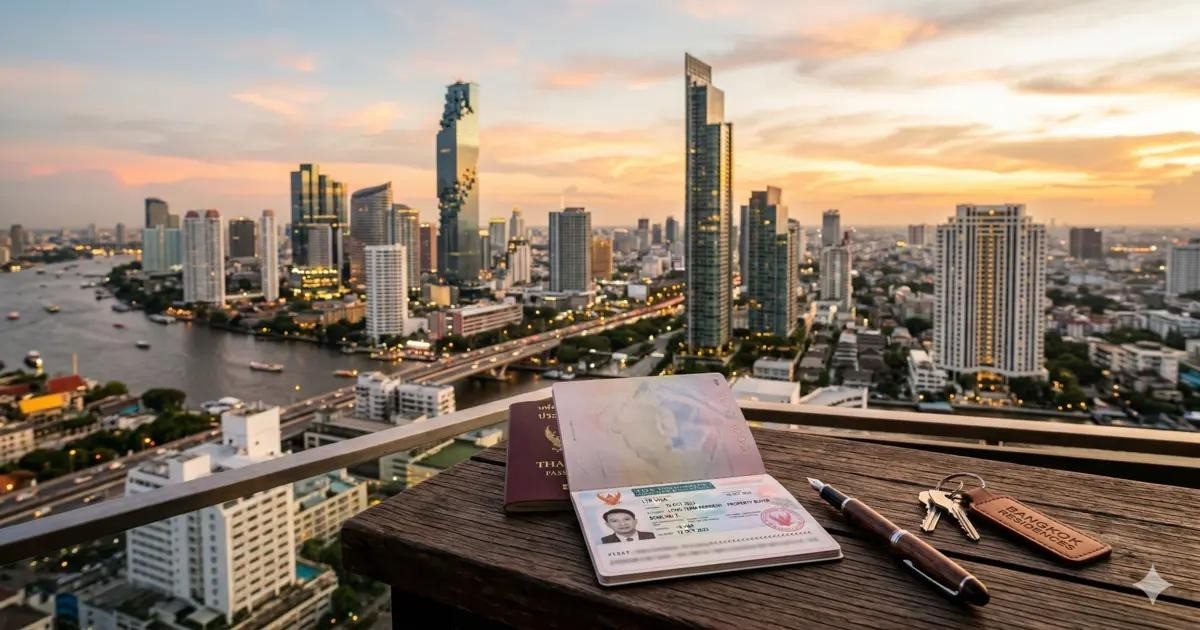
While purchasing a condo or villa in Thailand is an exciting move, it’s important to know that owning property doesn’t grant you the right to live in the country. Thai law treats residency and ownership as separate matters. Many overseas buyers learn with surprise that they need to arrange a visa independently of their purchase.
Does Buying Property Give You a Visa?
This often catches first-time buyers off guard, particularly those from countries where property ownership and residency are more closely linked. In Thailand, a foreigner can own a condo freehold and still needs a valid visa to remain in the country beyond a standard tourist entry.
That said, several long-term visa routes in Thailand are well suited to property buyers, and choosing the right one early can shape the type of property worth buying.
How the Long-Term Resident Visa Works in Thailand
The LTR visa in Thailand was launched in 2022 and offers an initial five-year stay, extendable for another five years, provided the holder still meets all qualifying conditions. These categories are available:
- Wealthy global citizens: Must hold at least USD 1 million in assets and make a qualifying investment in Thailand of at least USD 500,000, which can include Thai government bonds, direct business investment, or Thai property
- Wealthy pensioners: Aged 50 or over with annual passive income of at least USD 80,000. If passive income falls between USD 40,000 and USD 80,000, an additional Thai investment of at least USD 250,000 is required. Earned income and salaries do not count toward this threshold
- Work-from-Thailand professionals: Remote workers employed by overseas companies
- Highly skilled professionals: Specialists in targeted industries
Key benefits include annual reporting instead of 90-day, multiple re-entry permits, reduced personal income tax for qualifying professionals, and a digital work permit. For wealthy global citizens, qualifying investments can include Thai property, giving buyers a direct link between their visa application and their purchase.
Other Long-Term Visa Routes Worth Considering
- Retirement visa (Non-Immigrant O-A): Available to foreigners aged 50 and over who meet financial requirements, either a Thai bank deposit of THB 800,000 or monthly income of at least THB 65,000. Renewed annually with 90-day reporting. This remains one of the most widely used long-term visa routes in Thailand for retirees buying property.
- Thailand Privilege (formerly Thailand Elite): A paid membership programme with tiered packages (currently Bronze, Gold, Platinum, Diamond, and Reserve) offering multi-year visa access, airport fast-track services, and government concierge. No age, income, or employment requirement, making it one of the most flexible Thailand long-term visa options for buyers who do not qualify under other routes.
- 3 Million Baht Property Visa: A newer route that became operational in 2026, allowing foreign nationals who invest at least THB 3 million in qualifying Thai real estate to obtain a one-year renewable extension of stay. Applicants must hold a valid Non-Immigrant visa and obtain a certification letter from the Ministry of Tourism and Sports. Freehold condominiums, registered leaseholds, and property rights are accepted pathways.
- Non-Immigrant B visa: For foreigners employed by or operating a business in Thailand. Requires a work permit and employer sponsorship. Best suited to buyers who are already working in the country rather than those relocating specifically to purchase property.

How Your Visa Shapes Your Property Decision
The visa route a buyer chooses often shapes which property type and location make the most sense. A buyer on a retirement visa settling permanently may prioritise space and comfort, making a coastal villa or larger condo in Hua Hin or Phuket a natural fit. A work-from-Thailand professional on an LTR visa may prefer a central Bangkok condo close to co-working spaces and transport links. Thailand Privilege holders who split time between countries often favour lock-and-leave condos in Bangkok or managed villas in resort areas such as Koh Samui.
Practically speaking, check your visa eligibility before buying and include costs like Thailand Privilege membership or retirement visa deposit amounts. Verify if your visa permits local rental income, since certain visa categories may limit or complicate work in Thailand. A qualified immigration lawyer and your property lawyer working together guarantee they properly set up both aspects from the outset.

Find the Right Property with Richmont's
Richmont's advises overseas buyers on property decisions alongside their residency plans, matching the right property type to the buyer's visa route and long-term goals. Whether that means a freehold condo suited to a Thailand Privilege holder or a villa that aligns with an LTR investment requirement, the team tailors every recommendation to the individual.
If you are searching for Bangkok property for sale to foreigners, exploring luxury homes across Thailand, or looking for expert advice on how to buy a condo in Bangkok as a foreigner, Richmont's provides end-to-end guidance from search to completion. Get in touch for a personal consultation.

Frequently Asked Questions About Long-Term Visas in Thailand
Q: What visa do I need to live in Thailand long-term after buying a condo?
A: Buying a condo does not grant a visa on its own. To live in Thailand long-term, foreign property owners typically apply for a retirement visa (if aged 50 or over), an LTR visa (if they meet the asset and investment thresholds), or a Thailand Privilege membership. The right route depends on age, income, and how much time you plan to spend in the country.
Q: Can I use my property purchase to qualify for the LTR visa in Thailand?
A: Yes, under the wealthy global citizen category. The LTR visa requires at least USD 500,000 in qualifying Thai investments, and property purchases count toward that threshold. You must also hold at least USD 1 million in total assets globally. The visa is issued for five years and can be extended for another five.
Q: What is the cheapest long-term visa option in Thailand for a property buyer?
A: The retirement visa is typically the most affordable route, requiring a Thai bank deposit of THB 800,000 (approximately USD 23,000) or proof of monthly income of at least THB 65,000. There is no membership fee, though it does require annual renewal and 90-day reporting at immigration.
Q: Does a Thailand Privilege membership require property ownership?
A: No. Thailand Privilege is a standalone membership programme that grants multi-year visa access without any property, income, or age requirements. However, many members choose to purchase property alongside their membership, as the long-term visa provides the residency stability needed to make use of a home in Thailand.
SEND INQUIRY
You have requested more infomation about this property
or Call Richmont's between 9am and 6pm, 7 days a week, on: +66 (0)62 496 6454
Or contact us via WhatsApp or LINE