

Luxury Living

Condo or House in Thailand: Which Suits You Best?

Nov 4, 2026

Key Takeaways:

• Foreigners can own condos freehold under the Condominium Act but cannot hold land directly, making ownership structure the first decision in any Thailand property search.
• Condos suit buyers who split time between countries, with lower maintenance and strong rental demand in central locations.
• Houses and villas offer more space and privacy but require leasehold or company-based ownership and carry higher running costs.
• The right choice depends on visa status, lifestyle plans, and whether rental yield or capital growth is the priority.
• Richmont's helps overseas buyers navigate both paths, from luxury condos in Bangkok to villas along Thailand's coast.

Thailand's property market gives overseas buyers two clear starting points: a high-rise condo or a standalone house. The choice is not purely personal. Thai law treats these property types very differently for foreign nationals, and that legal reality shapes everything from title registration to resale prospects. What follows compares both options across ownership rights, lifestyle, and long-term returns, so that buyers weighing a condo vs a house can move forward with clarity.

condo-or-house-thailand2.jpg

How Thai Property Law Decides What You Can Own

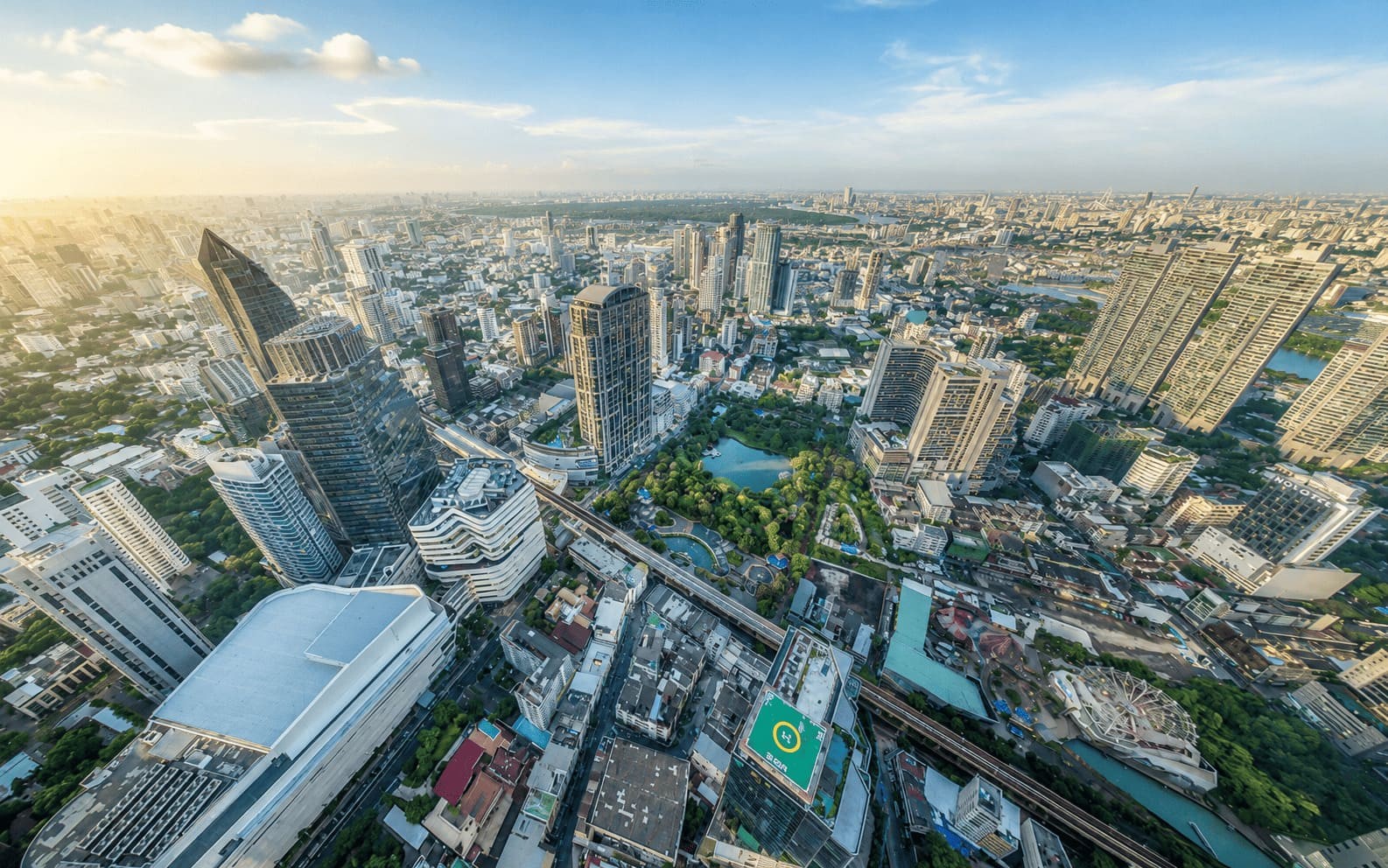
Foreigners can own a condo freehold under the Condominium Act, provided the building remains within its 49% foreign-ownership quota. Purchase funds must be remitted from overseas in foreign currency, with the Foreign Exchange Transaction (FET) form presented at the Land Office to register title.

Houses and villas sit on land, which Thai law prohibits foreigners from holding directly. Foreigners typically navigate this through a 30-year leasehold with contractual renewal options, or via a Thai limited company holding the land title. Because a leasehold renewal is a contractual promise rather than an automatically registered right at the Land Office, renewal terms require careful legal review. Using a Thai limited company also demands a legitimate business structure, as passive nominee shareholders are strictly illegal.

One issue that frequently causes confusion is the difference between a townhouse and a condo. The distinction hinges entirely on land: a condo can be held in a foreign buyer's name as a direct freehold, whereas a townhouse is a landed asset that necessitates the same indirect ownership structure as a villa.

condo-or-house-thailand3.jpg

Condo Pros and Cons for Foreign Buyers

With the legal framework in mind, the practical pros and cons of a condo become easier to assess.

Advantages:
• Title sits directly in the buyer's name with less paperwork than landed property
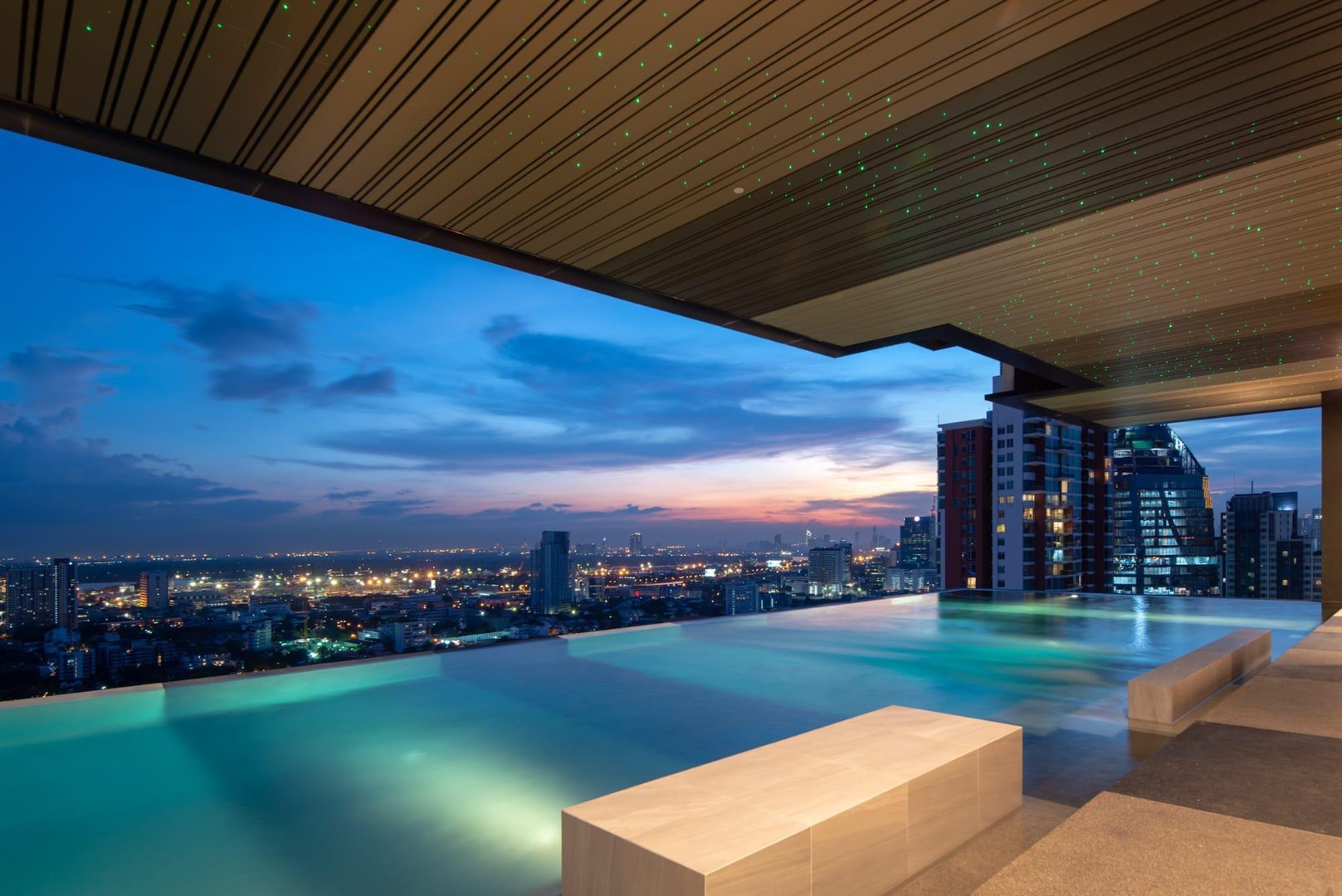
• On-site facilities such as pools, gyms, and round-the-clock security are handled by building management
• Lock-and-leave convenience for buyers who split time between Thailand and another country
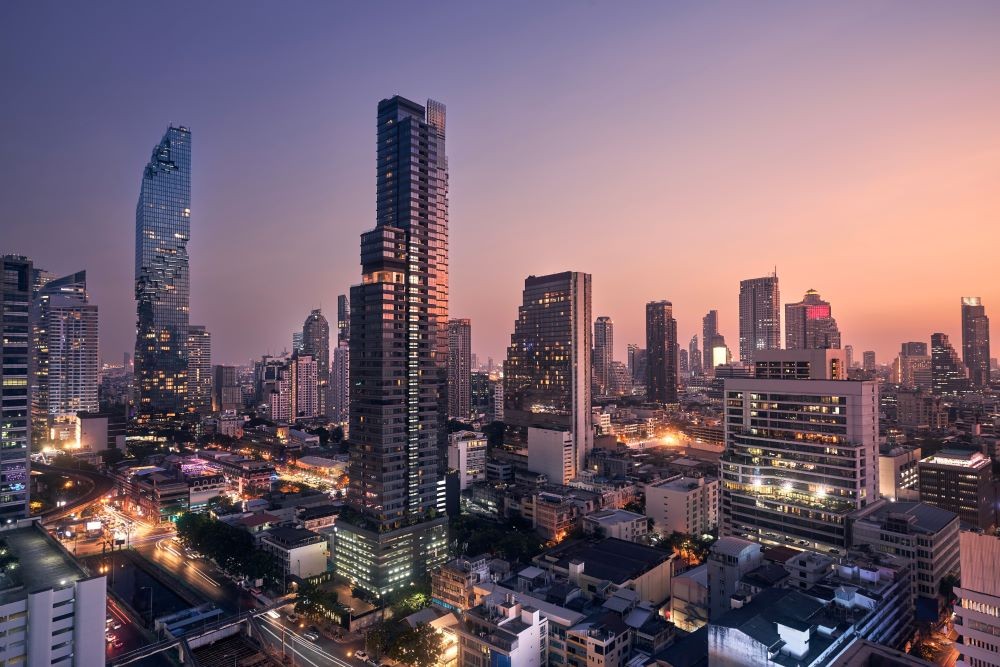
• Strong rental demand in central Bangkok, particularly from expat tenants on shorter-term contracts

Trade-offs:
• 
Living space is limited compared to a house
• Common-area fees tend to rise as buildings age
• Strata rules may restrict renovations or subletting
• Build quality and day-to-day upkeep depend heavily on building management, which can vary widely even within the same neighbourhood

condo-or-house-thailand4.jpg

House Pros and Cons for Foreign Buyers

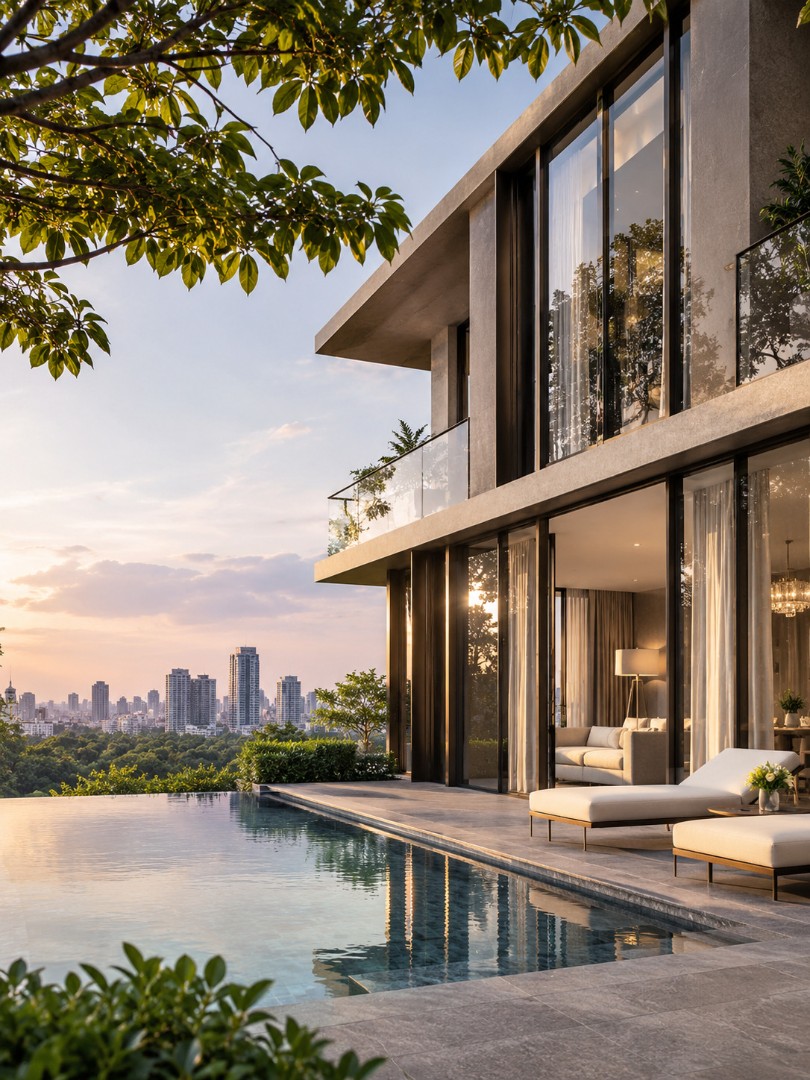
Where condos prioritise convenience, the pros and cons of a house tilt toward lifestyle. A house or villa offers what a condo cannot: space, privacy, and the freedom to modify the property as the owner sees fit.

Advantages:
• More living space, with room for private gardens, pools, and outdoor areas
• Greater privacy and independence compared to shared-building living
• Freedom to renovate or modify the property without strata approval
• Access to larger plots in coastal and resort areas, suited to a slower pace of life

Trade-offs:
• All maintenance falls on the owner, from pool upkeep and gardening to arranging private security
• Higher administrative overhead, including ongoing annual corporate filings and legal compliance for land-holding structures
• Utility bills across a larger footprint can add up as well

condo-or-house-thailand5.jpg

Choosing the Right Property for Your Lifestyle

Once the legal and practical differences are clear, the decision comes down to something more personal: how do you plan to live in Thailand? For most overseas buyers asking whether they should buy a condo or a house, it depends on visa route, residency plans, and daily priorities.

Retirees and LTR visa holders settling long-term often find that a villa gives them the space a permanent move calls for. Professionals and digital nomads on shorter visa cycles tend to prefer condos in central Bangkok for the convenience. Buyers on Thailand Privilege memberships may sit somewhere in between. Families relocating with children typically weigh proximity to international schools against outdoor space, which can point toward either a suburban house or a larger condo near a school cluster.

Location matters as much as property type. Whether you picture yourself in Sukhumvit, along the Hua Hin coastline, or on Phuket's west coast, the right fit depends on where you intend to spend your time.

condo-or-house-thailand6.jpg

Condo vs House: Which Is the Better Investment in Thailand?

Beyond lifestyle, many buyers want to know which property type holds stronger investment potential. The answer depends on intended use, hold period, and whether rental yield or capital growth takes priority.

On the resale side, freehold condos can be transferred directly between foreign buyers, which typically means shorter sales cycles. Houses and villas held under leasehold or company structures involve a more complex handover, which can narrow the buyer pool.

On the rental side, condos in central Bangkok benefit from steady long-term expat demand, while villas in resort areas can command higher nightly rates during peak season. That said, any rental under 30 days is classified as a hotel business under Thailand's Hotel Act, and operating without the proper licence carries penalties.

condo-or-house-thailand7.jpg

From Visa to Keys: How Richmont's Can Help

Navigating ownership structures, visa considerations, and the right property match is a lot to manage from overseas. Richmont's works alongside buyers from the earliest questions through to completion, tailoring every recommendation to the individual, whether that means a freehold condo in central Bangkok or a leasehold villa on the coast.

Browse Richmont's selection of luxury condos for sale in Bangkok or explore luxury villas for sale across Thailand to find a property that matches your ownership preference, lifestyle, and investment goals. Get in touch with the team for a personal consultation.

condo-or-house-thailand8.jpg

Frequently Asked Questions About Buying Property in Thailand 

Yes, but the ownership structure differs. Foreigners can own a condo freehold under the Condominium Act, provided the building's 49% foreign-ownership quota has not been filled. Houses and villas sit on land, which foreigners cannot own directly, so they are typically held through a 30-year registered leasehold with contractual renewal options or via a Thai limited company. In both cases, working with independent legal counsel before signing any contract is strongly recommended.

No. Property ownership and visa status are treated separately under Thai law. A foreigner can purchase a condo or enter a leasehold without holding a long-term visa. That said, buyers who plan to live in Thailand will need a valid visa, such as a retirement visa, an LTR visa through the BOI, or a Thailand Privilege membership. Owning property does not grant residency rights on its own.

Beyond the purchase price, buyers should budget for transfer fees, stamp duty or specific business tax, and legal fees for due diligence and contract review. For condos, there are also ongoing common-area maintenance fees. For houses held through a Thai limited company, annual corporate filing and accounting costs apply. Registration fees at the Land Office are typically split between buyer and seller, though this is negotiable and varies by transaction.

It depends on the buyer's goals. Freehold condos generally offer simpler resale, as title can transfer directly between foreign buyers, and they benefit from steady long-term expat rental demand in central Bangkok. Houses and villas can suit longer-term capital growth strategies but involve more complex ownership structures and a smaller resale pool. For either property type, short-term rentals under 30 days require a Hotel Act licence.

SEND INQUIRY

You have requested more infomation about this property

Condo or House in Thailand: Which Suits You Best?