Luxury Living

Best Places to Live in Thailand: A Guide for Expats

Nov 25, 2026

Key Takeaways

• Is Thailand a good place to live? For many expats it can be, when climate, healthcare, schooling and residency plans line up.
• Bangkok, Chiang Mai, Phuket, Hua Hin and Pattaya are the best places to live in Thailand for expats, and each offers a different pace of life.
• The answer to which Bangkok neighbourhood is best for foreigners to live depends on commute, schools and the pace you prefer.
• Singles, families and retirees weigh transport, schools and healthcare differently, so match the street and not only the district.
• A specialist real estate agent in Thailand can shortlist homes that fit the area, lifestyle and visa route you settle on.

best-places-to-live-in-thailand2.jpg

Thailand offers a warm tropical climate, established expat communities and housing choices that range from city condominiums to luxury coastal villas. Choosing among the best places to live in Thailand comes down to lifestyle, whether you prioritise career opportunities, international schools, beachfront living or a slower pace surrounded by nature. In Bangkok, the decision goes even further, as each neighbourhood brings its own character, convenience and price point.

Is Thailand a Good Place to Live for Expats?

Thailand suits many foreign residents when location, budget and long-term plans line up. The government describes three seasons: a hot summer from mid-February to mid-May, rain from mid-May to mid-October and a cooler winter until mid-February. Healthcare is a further draw. In 2023 the Thai government reported 61 hospitals and clinics accredited to Joint Commission International standards.

Expat communities in Thailand, from Bangkok to Chiang Mai and Phuket, also help newcomers find social activities, professional contacts and practical advice on local life.

What Are the Best Places to Live in Thailand?

Bangkok for City Living and Careers

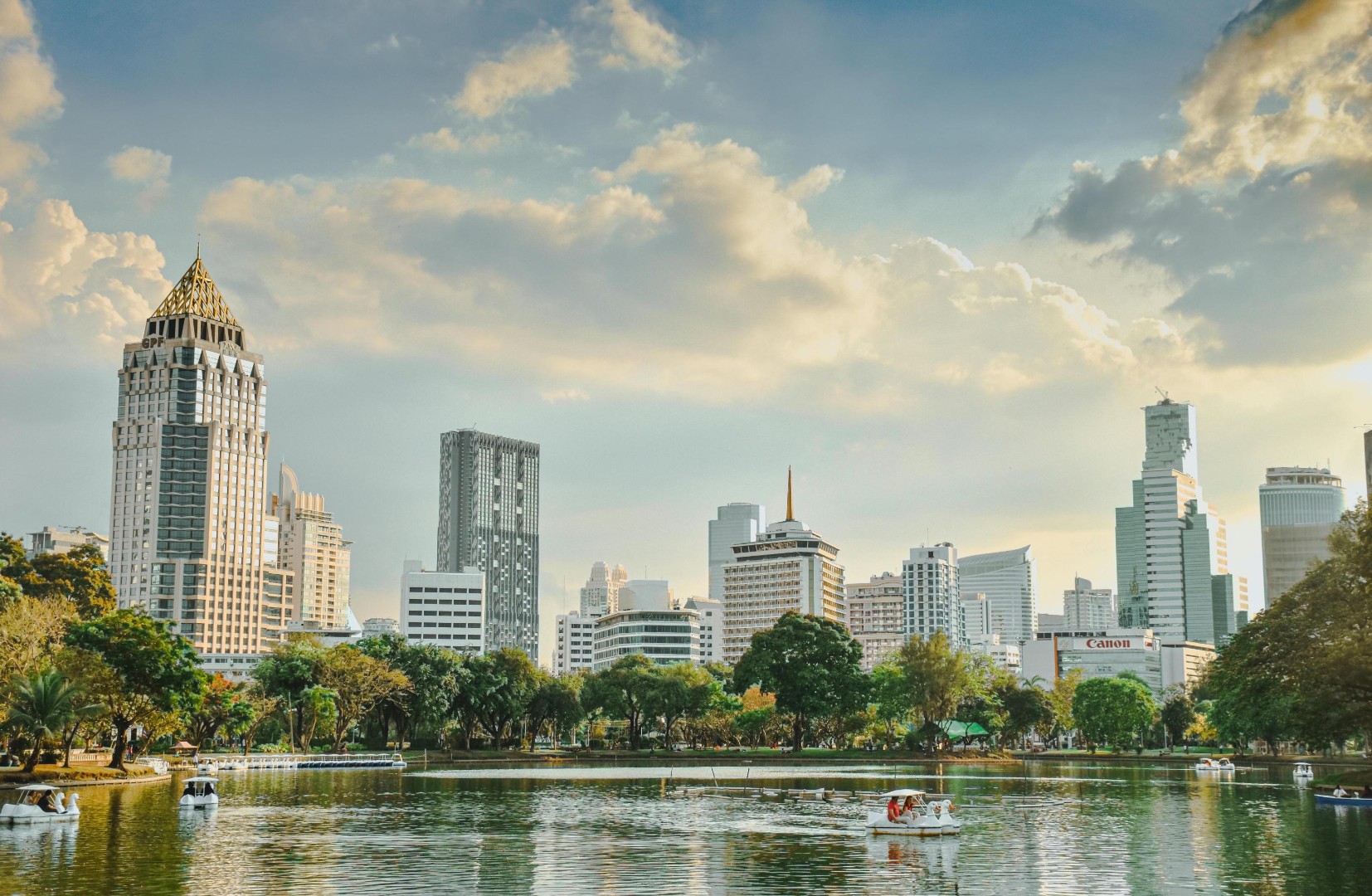
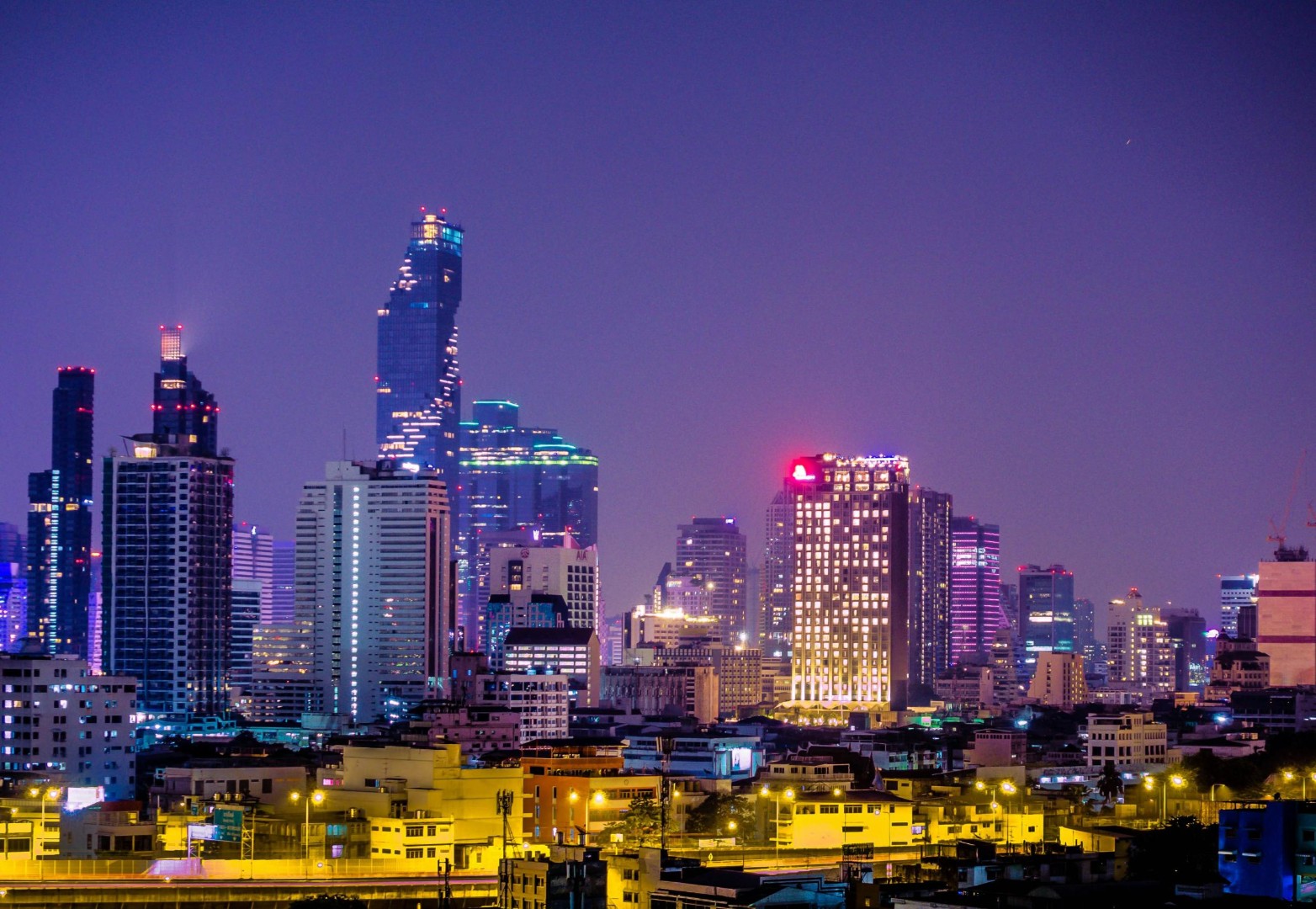
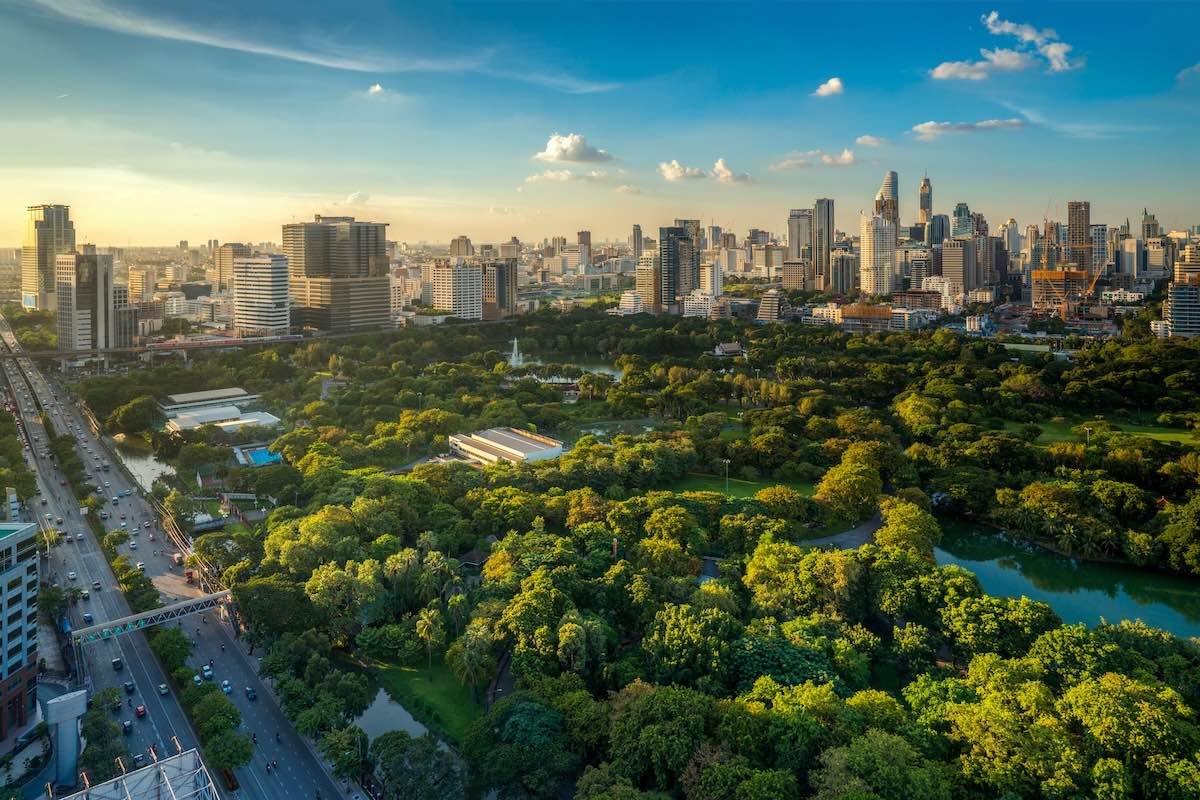
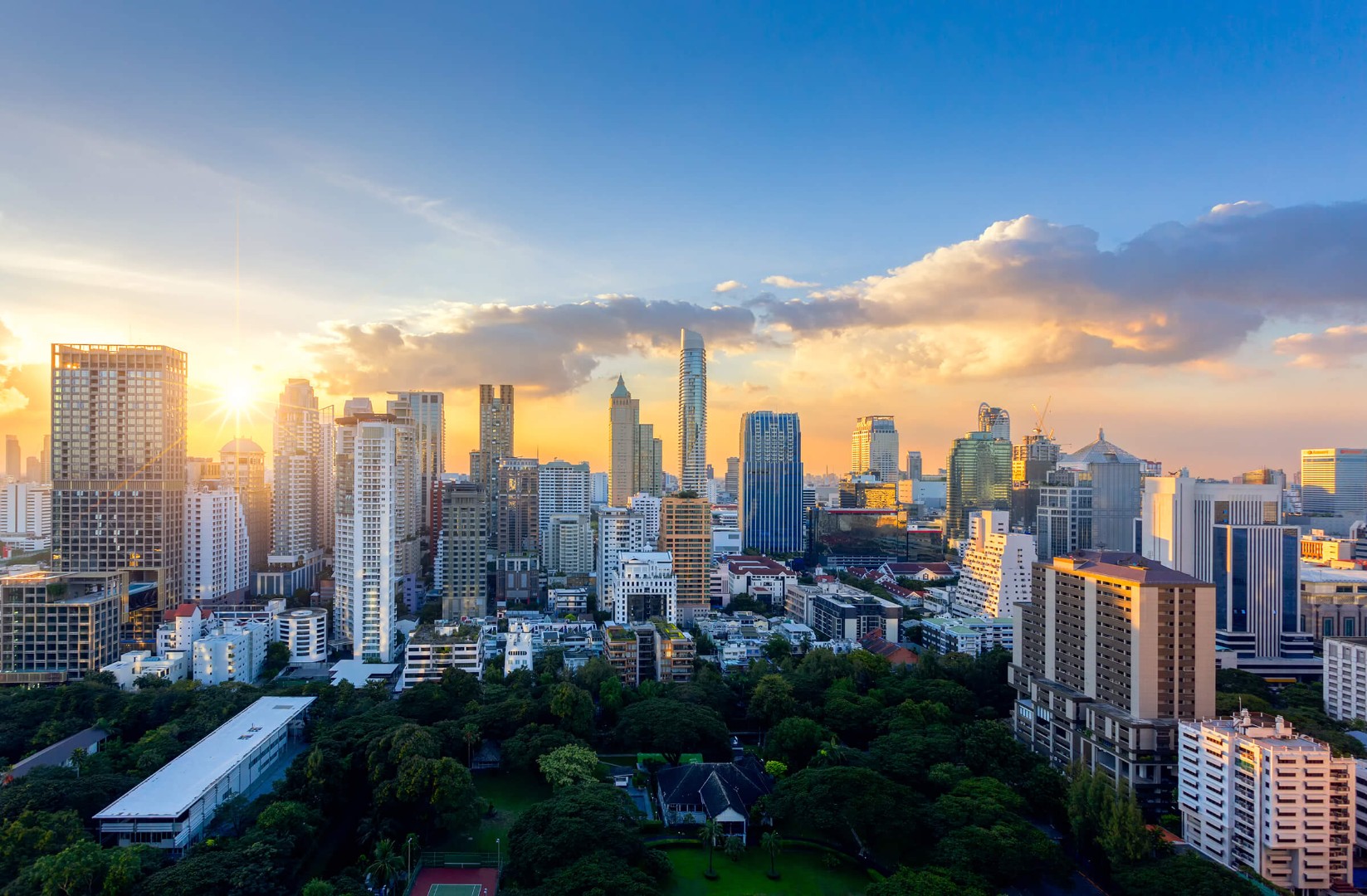
Bangkok suits residents who value careers, international schools, private hospitals and dining within one city. The BTS Skytrain and MRT metro ease daily travel, though a home's convenience depends on its walking distance to a station. Housing ranges from compact condominiums to family homes and luxury villas in selected neighbourhoods. Buyers exploring luxury villas in Thailand often compare Bangkok penthouses with beachfront homes in Phuket or Hua Hin. Working with an experienced real estate agent in Thailand can help evaluate location, ownership structure and long-term value.

Chiang Mai for a Slower Pace of Life

Chiang Mai appeals to those who prefer a smaller city, mountain surroundings and an international community. Housing includes city condominiums, houses in residential developments and properties on the outskirts. Burning season calls for planning. NASA notes that fire activity across northern Thailand typically peaks in March, and surrounding mountains trap smoke in the valleys.

Phuket for Coastal Living and Villas

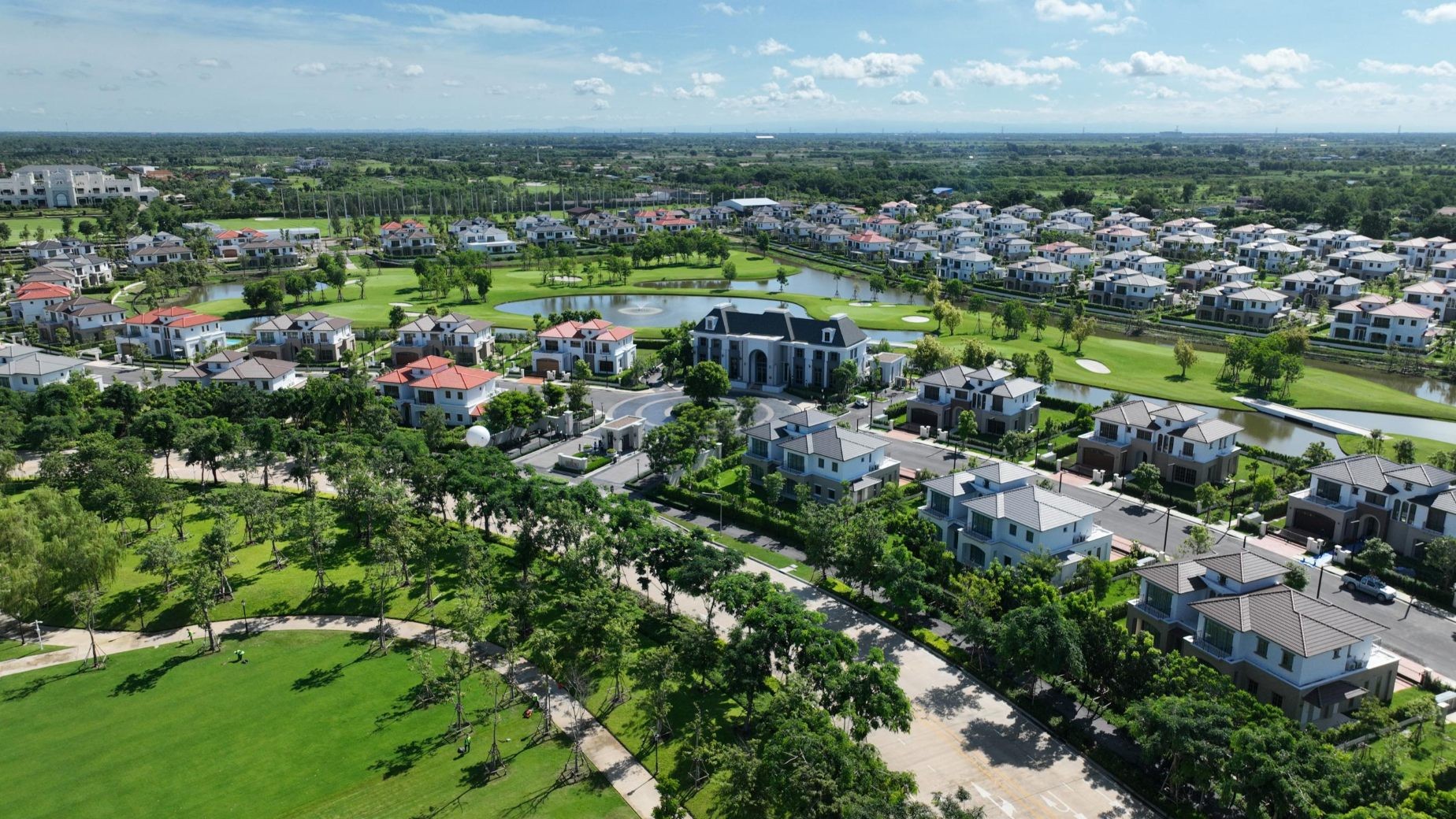
Phuket, Thailand's largest island, sits on the Andaman Sea with beach communities and resort-style developments. Buyers drawn to luxury villas in Thailand often start here, then weigh maintenance, security and the distance between home, school and hospital.

Hua Hin for a Relaxed Coastal Life

The Tourism Authority of Thailand calls Hua Hin the country's first beach resort, a royal holiday favourite since the 1920s. Residential communities, golf courses and markets give retirees, couples and families a slower pace than central Bangkok.

Pattaya for Coastal Amenities and Services

Pattaya pairs beach access with shopping, restaurants, healthcare facilities and a wide range of residential developments. The atmosphere shifts from the busy centre to quieter communities, so visit at different times of day before choosing.

Which Bangkok Neighbourhood Is Best for Foreigners to Live?

Bangkok behaves like several markets in one, and the right area depends on commuting, schools and the pace you want.

Sukhumvit for Convenience and Community

Sukhumvit offers shopping, international supermarkets and BTS stations at Phrom Phong, Thong Lo and Ekkamai, each with its own mix of dining and homes. Rents and traffic vary street by street.

Silom and Sathorn for Business Access

These established business districts place offices, restaurants and transport within reach, which shortens the commute for professionals. Sala Daeng connects BTS with MRT, while Sathorn's residential streets feel quieter than the commercial core.

Ari for a Local Neighbourhood Feel

Ari is known for independent cafés and restaurants and a neighbourhood atmosphere. A BTS station keeps the wider city close, though housing and convenience vary by street.

Riverside for Views and Upscale Living

Riverside residences look across the Chao Phraya River, and several luxury developments stand along its banks. Saphan Taksin BTS station links to Sathon Pier for river boats, but access elsewhere depends on the exact address.

Best Bangkok Neighbourhoods by Life Stage

Needs shift with life stage, so the same address rarely suits everyone.

Bangkok Neighbourhoods for Single Expats

Sukhumvit and Silom offer restaurants, gyms and social activity close to BTS or MRT stations, while Ari suits those who prefer cafés and a quieter local feel.

Bangkok Neighbourhoods for Families

Phrom Phong and nearby Sukhumvit streets can put international schools and family facilities within reach, depending on the address. Sathorn adds residential options near schools and business districts, and Bang Na offers larger homes, with longer commutes to weigh.

Bangkok Neighbourhoods for Retirees

Riverside suits retirees who want scenic surroundings, Phrom Phong offers shopping, dining and nearby healthcare, and Ari brings local amenities. Prioritise walkability, lift access and noise levels.

What Expats Should Check Before Choosing a Home

• Budget and housing: Compare rent or purchase prices with utilities, maintenance, transport and insurance.
• Healthcare and schools: Locate the hospitals and schools you need, and confirm fees, admissions and insurance cover.
• Transport and commuting: Note how often you will travel, the nearest BTS or MRT station and any need for a car.
• Community and lifestyle: Visit the area at different times of day and speak with residents about daily life.
• Climate and environment: Allow for heat, humidity, seasonal air quality and flood exposure.
• Residency: The Long-Term Resident visa runs for 10 years with multiple entries. Its routes cover wealthy individuals with at least USD 1 million in assets, retirees over 50 with a pension or stable income, and remote workers.
• Property advice: A local agent can arrange viewings and explain developments. Foreign buyers should take independent legal advice before signing.

Location

Best For

Cost Level

Expat Community

Lifestyle

Bangkok

Professionals

High

Very Large

Urban

Chiang Mai

Remote workers

Medium

Large

Relaxed

Phuket

Beach lifestyle

High

Large

Coastal

Hua Hin

Retirees

Medium

Growing

Quiet

Pattaya

Retirees & investors

Medium

Large

Coastal

Finding the Right Property in Thailand With Richmont's

The right location should support your lifestyle, family needs, investment goals and long-term plans. Whether you're considering a Bangkok penthouse, a beachfront residence in Phuket or one of the many luxury villas in Thailand, expert guidance can help you identify the right property, neighbourhood and ownership structure from the outset.

At Richmont's, we specialise in luxury residential real estate valued at THB 30 million and above, representing premier properties across Bangkok and Thailand's most sought-after destinations. Our International Project Marketing team works closely with overseas buyers, developers and legal professionals to coordinate viewings, ownership arrangements and smooth property handovers.

Speak with a real estate agent in Thailand at Richmont's for personal guidance on your move, or browse our luxury villas in Thailand to see the current market.

Frequently Asked Questions About The Best Places to Live in Thailand

Bangkok suits expats who prioritise careers, international schools, healthcare and urban convenience. Chiang Mai offers a smaller-city lifestyle with access to nature, while Phuket appeals to residents who want coastal living. Hua Hin and Pattaya provide other coastal options, each with its own atmosphere and range of amenities.

Sukhumvit is popular for its international amenities, restaurants and transport links. Silom and Sathorn suit professionals who want business districts nearby, Ari appeals to those who prefer a neighbourhood feel, and riverside areas suit residents who want scenic surroundings. The best choice depends on budget, commuting needs and lifestyle.

Single professionals often favour Sukhumvit, Silom or Ari for transport, dining and social activity. Families tend to focus on international schools, family-sized housing and manageable commutes, while retirees prioritise healthcare, walkability and a quieter residential setting. Assess individual streets and developments rather than relying on district names alone.

Yes. Bangkok, Chiang Mai and Phuket have established international communities, and Hua Hin and Pattaya also attract foreign residents. Community size and character vary, so visit local groups, professional networks and social organisations before you move.

Thailand can suit people whose work, finances, healthcare needs and preferred lifestyle fit local conditions. Long-term suitability also depends on visa eligibility, the neighbourhood chosen and access to services, so research these factors before relocating.

Foreign ownership rules depend on the type of property and the ownership structure. Foreigners generally cannot own land in their own name, although other arrangements may be available under Thai law. Take independent legal advice before signing a purchase or lease agreement.

{{ get google map iframe }}

SEND INQUIRY

You have requested more infomation about this property

Best Places to Live in Thailand: A Guide for Expats