Luxury Living

What Living in Thailand Really Costs Overseas Buyers

Nov 17, 2026

Key Takeaways

• Popular budget figures for living in Thailand are drawn from backpacker and digital nomad lifestyles and rarely reflect what an overseas buyer actually spends across a full year.

• Common reasons to live in Thailand, from climate to healthcare access and established expat communities, still need balancing against realistic costs for visas, insurance, and housing.

• How to live in Thailand on a comfortable, family-ready budget depends on both one-time setup costs (visas, legal work, moving belongings) and recurring monthly costs.

• Long-Term Resident, retirement, and investment-linked visa routes are the most relevant paths for overseas buyers, each with distinct financial and paperwork requirements.

• Numbeo's August 2026 data puts day-to-day spending in Bangkok at around USD 725 per month for a single person excluding rent, with Phuket slightly lower.

• Overseas buyers can review current luxury condo in Thailand listings with Richmont's when planning the housing side of the budget.

cost-of-living-thailand2.jpg

Most "cost of living in Thailand" figures online are drawn from backpacker or digital nomad budgets. They rarely reflect the reality facing someone relocating with a family, a career, or a property purchase in mind. The true total covers far more than groceries and rent, taking in visas, legal setup, healthcare, and the type of home a buyer actually wants to live in. 

If you are considering the move, it helps to know where the real money goes, from visa route to housing choice to the costs that catch new arrivals off guard.

What Shapes the True Cost of Relocating to Thailand

A realistic budget separates into one-time setup costs, such as visas, legal work, flights, and moving belongings, and recurring monthly costs, including housing, insurance, transport, and daily living. Popular "cheap country" figures published online rarely reflect premium housing, private healthcare, or the additional overhead of relocating with children or dependents. Location is the largest swing factor. 

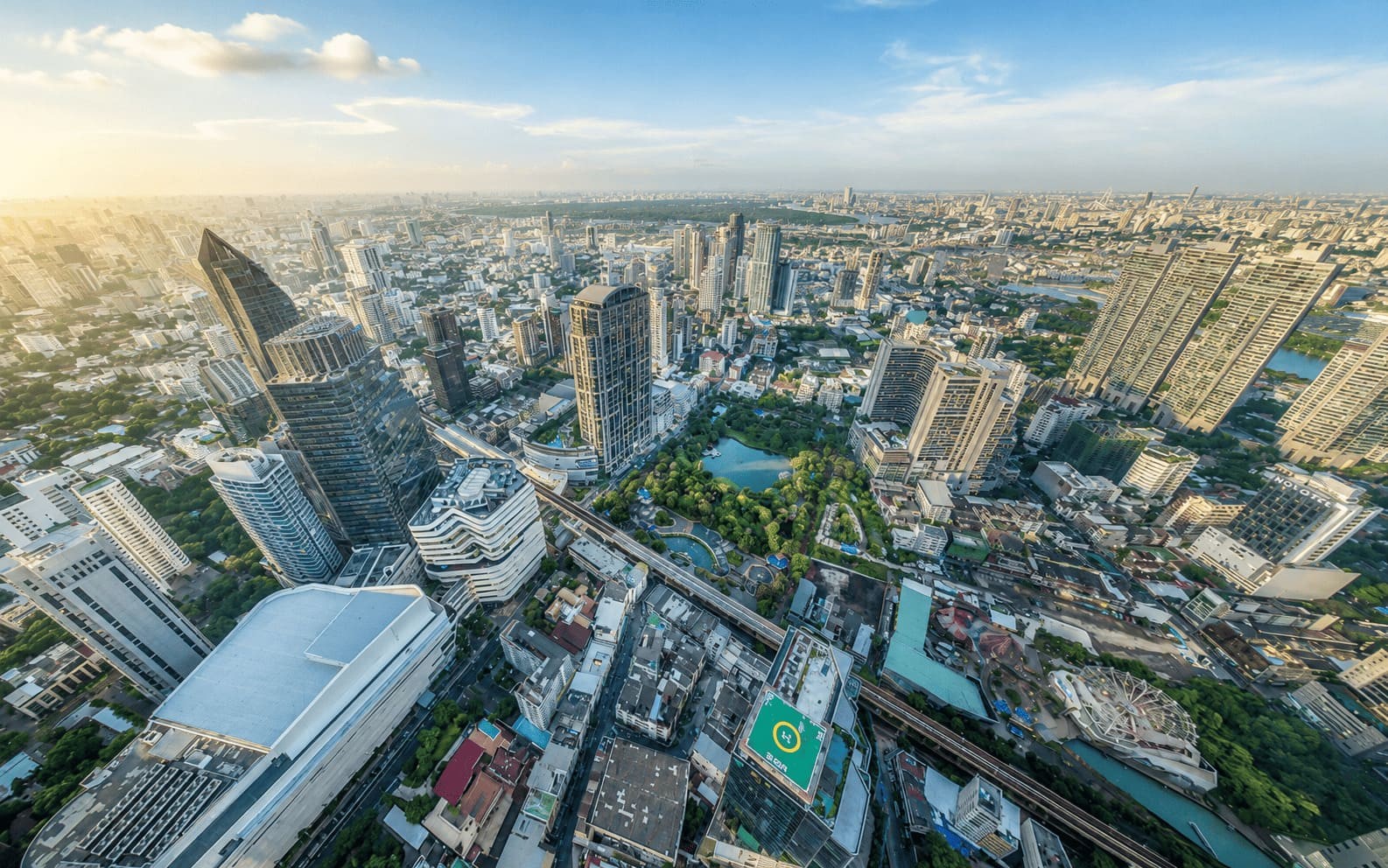
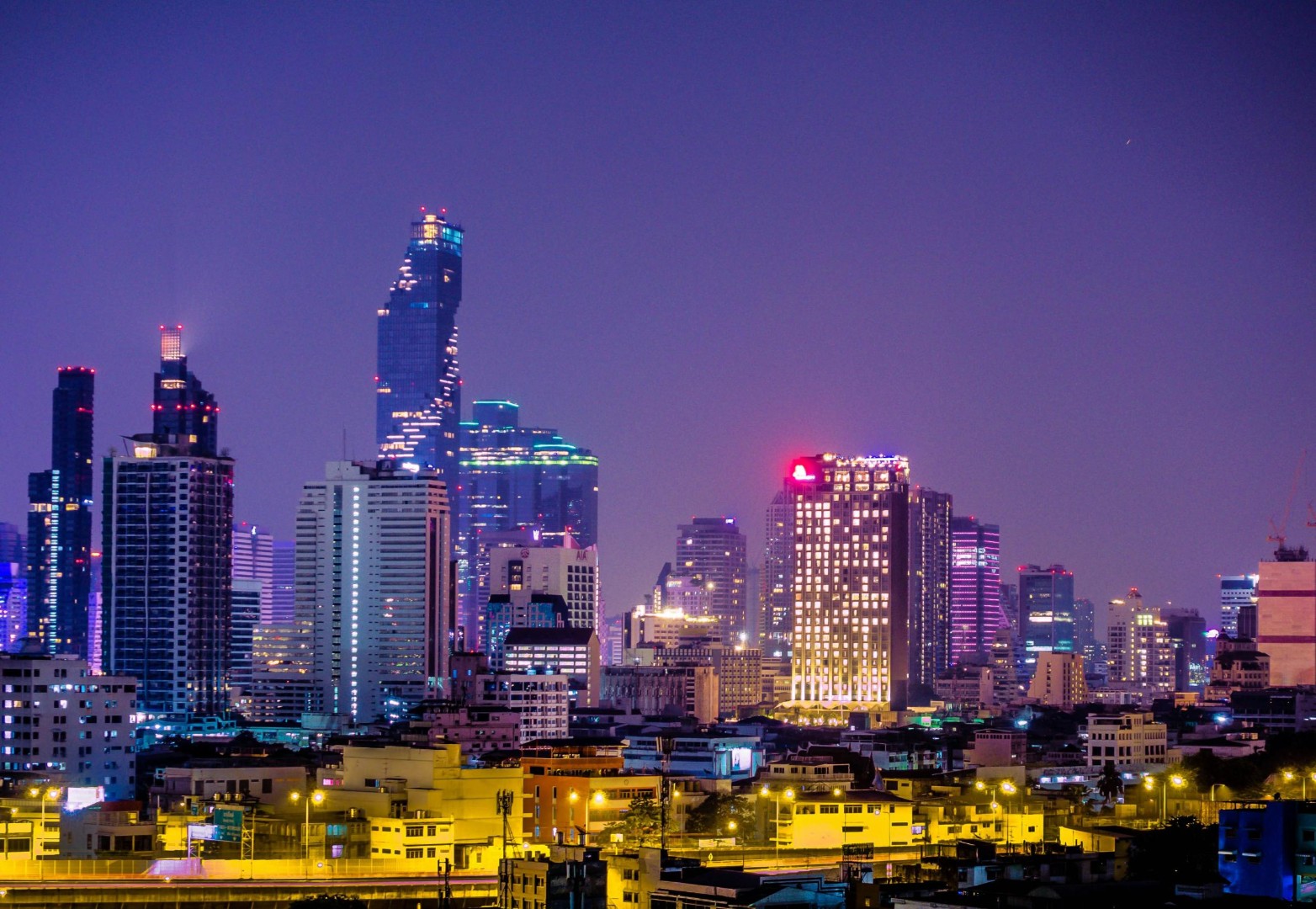
A Bangkok CBD address, a Phuket seafront villa, and a Hua Hin retirement home each carry a very different cost profile, and choosing between them shapes almost every other line in the budget.

Visa and Legal Costs Foreign Buyers Often Underestimate

Owning property in Thailand does not by itself grant the right to stay, so the visa route is a separate decision worth settling early. For long-term stays, three visa routes matter most to overseas buyers:

• Long-Term Resident (LTR) visa: a 10-year stay (structured as 5 plus 5 years) for qualifying wealthy global citizens and wealthy pensioners, with a THB 50,000 per-person issuance fee. Qualifying Thai property can count towards the investment requirement.
• Thailand Longstay visa: a property-linked route from a THB 3 million completed condominium purchase (or a qualifying rental or leasehold), with a THB 6,000 membership fee plus a THB 27,000 application fee.
• Non-Immigrant O-A (retirement): for buyers aged 50 and over, requiring a THB 800,000 deposit or THB 65,000 monthly income, with a THB 5,000 visa fee. It is not tied to property value.

On top of government fees, most overseas buyers use an immigration agent for the initial application and annual renewals. 

Moreover, a property purchase adds a separate layer of professional cost, including solicitor fees, notarisation, and document translation. Funds used to buy a condo must also be remitted from overseas in foreign currency, with matching Foreign Exchange Transaction documentation from a Thai bank, so ownership can be registered correctly.

Housing Costs: Renting Vs Buying the Right Home

Housing is the single largest line item for most overseas buyers, and the rent-versus-buy decision reshapes the rest of the budget. 

• Long-term rental keeps commitment low but usually requires a two-month deposit and one month's advance rent, on top of the ongoing rent itself. 
• Buying carries higher upfront costs, including transfer fees, legal work, and the purchase price, but replaces rent with a fixed asset and predictable ongoing costs. Recurring condo ownership costs cover common area fees, sinking fund contributions, and building management standards that vary widely between developments. 

A well-managed building gives an overseas buyer a viable long-term base. Overseas buyers weighing up options can browse Thailand property for sale to foreigners directly.

Everyday Living Costs Overseas Buyers Actually Face

Daily spending ranges from modest local-style habits to a full Western-comfort lifestyle. Numbeo's August 2026 figures put day-to-day spending for a single person, excluding rent, at around USD 725 a month in Bangkok and slightly lower in Phuket, before any premium lifestyle choices are added. The main categories to plan for include:

• Food and dining: a meal at a local restaurant starts around THB 100, while a mid-range meal for two easily runs THB 1,200 or more before drinks.\
• Healthcare: a private hospital consultation can start from around USD 15 to 20, with annual health insurance plans typically beginning from roughly USD 400 and rising steeply with age and coverage.
• International money movement: transfer fees and exchange rate margins apply to every remittance, and the method chosen materially affects the total.
• Lifestyle inflation: setup fees and everyday spending both tend to drift upward once daily routines settle in.

Retirees should treat healthcare as its own line rather than a rounding error on the monthly total, since premiums climb quickly past 60 and pre-existing conditions can affect eligibility.

Why Overseas Buyers Plan Their Move with Richmont's

At Richmont's, we work exclusively in luxury residential real estate and hold Principal Sales Agent relationships with many of Thailand's leading developers. Our team's International Project Marketing arm is built for buyers relocating or investing from abroad, coordinating property viewings, ownership structure, and legal handovers on your behalf as a buyer. 

We provide concierge-led guidance covering the practical side of the move, including neighbourhood fit, legal coordination, and building selection. Beyond that, our specialist expertise spans Bangkok, Phuket, Hua Hin, and other key destinations, rather than a single-market focus.

Plan a Realistic Thailand Relocation Budget

Relocating to and living in Thailand at a comfortable, family-ready standard costs considerably more than viral budget breakdowns suggest, once visas, legal setup, healthcare, and housing choice are factored in. The largest single swing factor remains the choice between renting and buying into a well-managed building in the right district, but making an informed decision is easier with professional guidance.

With Richmont's, we bring that important decision of yours into focus with dedicated international support, verified building relationships, and hands-on guidance from search through to handover.

Explore listings for luxury condo Thailand with Richmont's. Get in touch with the team to align a shortlist on Thailand property for sale to foreigners today.

Frequently Asked Questions About Cost of Living in Thailand

A: Costs vary widely by city and lifestyle. Numbeo's August 2026 data puts monthly spending excluding rent at around USD 725 for a single person in Bangkok. Add rent, healthcare, and any Western-lifestyle premiums, and a realistic monthly total for an overseas buyer usually starts closer to USD 2,000 to 3,000.

A: Foreigners can own condominium units freehold, within the 49 percent foreign-ownership quota per building. Land, houses, and villas cannot be owned outright in a foreign name and are usually held through long-term leaseholds or Thai company structures instead. Most Thailand property for sale to foreigners advertised online is therefore condominium stock, though land-linked options remain available through structured routes.

A: One-time costs include flights, visa application fees, legal and translation work, moving belongings, and property deposits or transfer fees. Recurring costs cover housing, health insurance, private healthcare, transport, and everyday spending. Together, these typically add several thousand US dollars on top of the first year's living expenses.

A: One-time costs typically include the LTR visa at THB 50,000 per person for a 10-year stay, or a Non-Immigrant O-A retirement visa at THB 5,000 (requiring a THB 800,000 Thai bank deposit or THB 65,000 monthly income), a two-month rental deposit and one month's advance rent, and a Land Office transfer fee of 2% of appraised value on a property purchase. Buyers using property to support their stay can also consider the Thailand Longstay visa, which starts from a THB 3 million condominium purchase. Recurring monthly costs in Bangkok, per Numbeo's August 2026 data, run to around USD 725 per single person excluding rent, plus THB 23,112 (~USD 660) for a 1-bedroom city-centre apartment or THB 11,800 (~USD 340) outside the centre. Annual health insurance starts from around USD 400 for a healthy adult and rises with age and coverage.

A: Thailand remains noticeably cheaper than most Western countries, but affordability depends on lifestyle. How to live in Thailand at the right cost comes down to city choice and standard: local-style spending is inexpensive, while imported goods, private schooling, and premium housing carry Western-level price tags. Bangkok and Phuket sit at the higher end of the domestic scale.

A: Common draws include a warm climate year-round, world-class private hospitals at accessible prices, established international communities in Bangkok, Phuket, and Hua Hin, a lower everyday cost base than most Western countries, and freehold condominium ownership rights for foreign buyers.

SEND INQUIRY

You have requested more infomation about this property

What Living in Thailand Really Costs Overseas Buyers